Your team runs on HubSpot. Your website doesn't act like it
We're a Webflow agency for B2B SaaS. For teams already standardized on HubSpot, we act as your HubSpot agency too: we design and build the site, wire it into your CRM, and move you off whatever you're stuck on without losing rankings. StanVision leads design and strategy. A certified HubSpot partner handles the certified build.

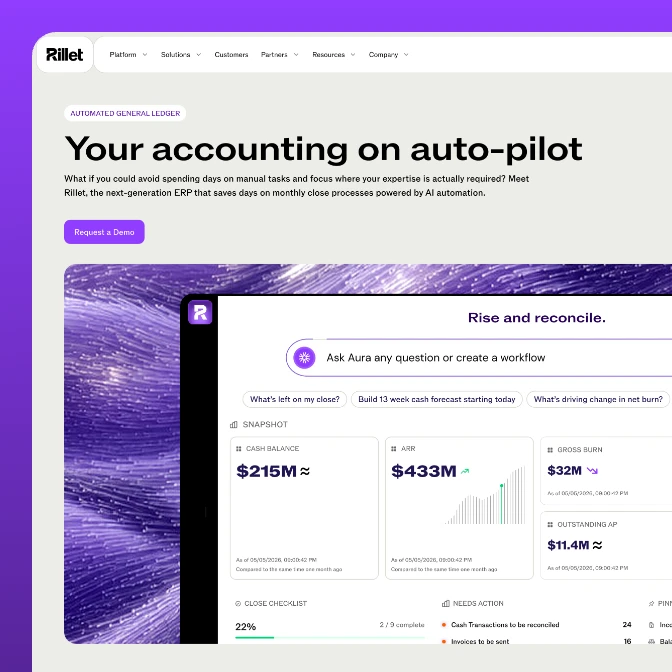
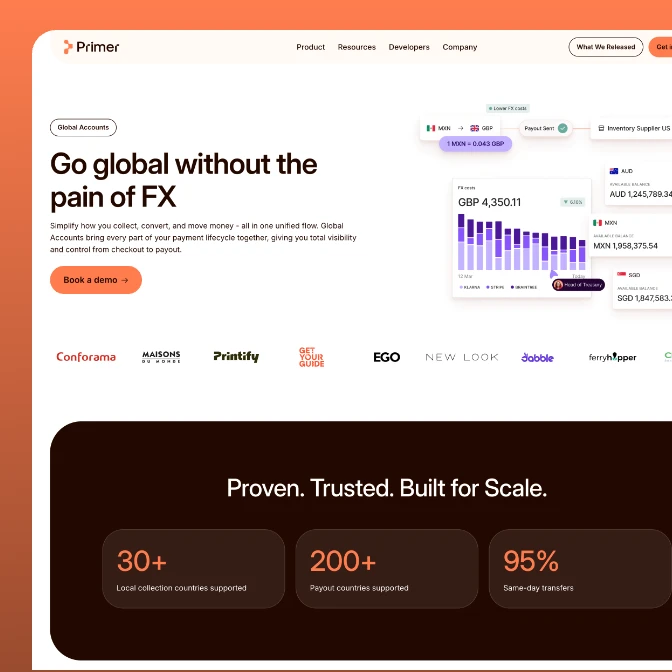
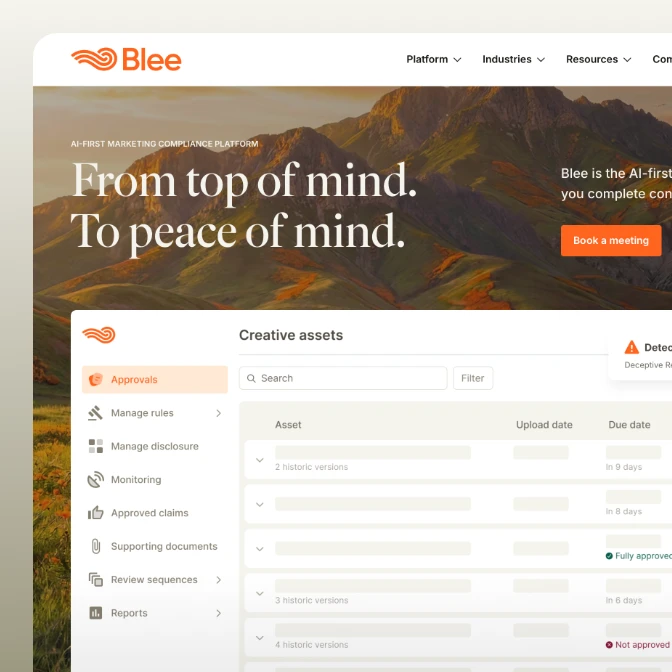
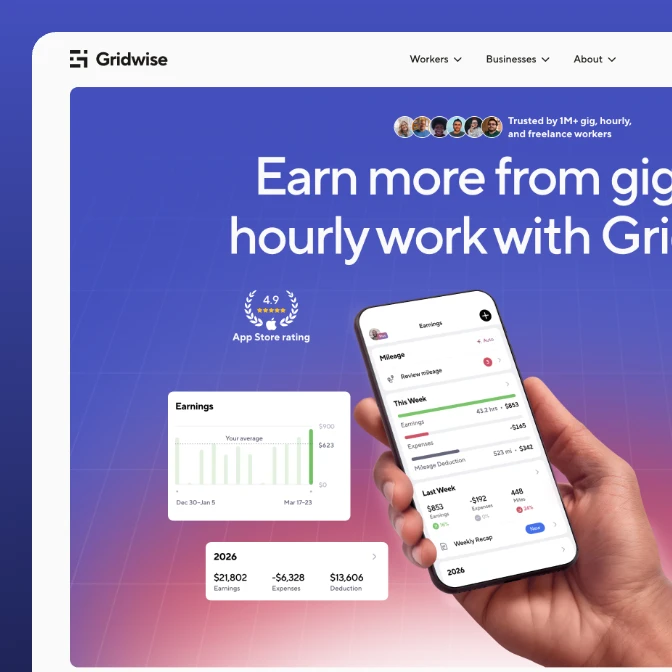
B2B SaaS and fintech teams we've designed for













































The problem usually isn't HubSpot. It's the website bolted onto it
Most B2B SaaS sites running on HubSpot were built fast off a stock theme, by people who set up the CRM, not by people who design. The platform does its job.
The site in front of it undersells the product, slows the marketing team down, and leaks data on its way to the CRM. That's a design and build problem, and it's fixable without ripping out HubSpot.
It looks like a HubSpot template, because it is one
A stock theme gets you live in a week and then anchors your brand to whatever every other HubSpot site looks like. Buyers notice. Your product moved on; the site didn't.
Every change waits on a developer
Marketers can't touch the layout, so the site goes stale between redesigns and campaigns ship late. The CMS was supposed to fix this. Built wrong, it makes it worse.
Forms collect data the CRM never sees
Fields don't map, lead routing breaks, and half your conversions land in the wrong list or nowhere. The site and the CRM were set up by different people at different times, and it shows in the pipeline.
You're stuck, because moving feels risky
You're on WordPress or an aging build and you'd move to HubSpot tomorrow, except you can't afford to lose rankings, redirects, or years of content in the migration. So you wait.
What a HubSpot agency does for a B2B SaaS team
A HubSpot agency designs, builds, and maintains the website and marketing assets that run on HubSpot's CMS and feed its CRM.
We do the design and front-end craft, the part most HubSpot shops treat as an afterthought, and a certified HubSpot partner handles the certified CMS build behind it. You get Webflow-grade design quality on a HubSpot foundation, with one team accountable for both.
HubSpot website design
A site designed for your product and your buyer, not adapted from a theme. The look is yours; the engine stays HubSpot.
HubSpot CMS build
Custom themes and modules built on HubSpot CMS by a certified HubSpot partner, so the foundation is done to standard, not improvised.
Migration to HubSpot
Moving from WordPress or an older CMS onto HubSpot with redirects, content, and rankings carried over. Migration is our core motion; we treat your search traffic as the thing you can't lose.
Webflow and HubSpot together
If your marketing site stays in Webflow, we connect it to HubSpot the right way: forms, lead capture, and CRM sync that actually fire. You keep the design control; HubSpot runs the data.
Marketer-editable modules
Components your team can rearrange and publish without filing a developer ticket, so the site keeps moving between redesigns.
Landing pages and campaign assets
On-brand pages built to convert and ship on the marketing team's timeline, inside HubSpot where your campaigns already live.
Conversion-focused design
Layouts shaped around where buyers hesitate, not decoration. The same thinking behind our conversion rate optimization work, applied to the HubSpot build.
A design system for HubSpot
Reusable components, type, and tokens so every page and campaign looks like one company, not five freelancers.
Ongoing iteration
Continued design and build support after launch, so the site improves on a schedule instead of aging until the next big redesign.
HubSpot vs Webflow vs WordPress: which should your B2B site run on?
Short answer: if your team already lives in HubSpot and wants the website and CRM under one roof, build on HubSpot CMS. If you want maximum design control and a site your marketers fully own, build in Webflow, which is what we recommend by default. WordPress fits when you need a specific plugin ecosystem and have the team to maintain it. Here's the honest breakdown.
| HubSpot CMS | Webflow | WordPress | |
|---|---|---|---|
| What it is | A website CMS built into HubSpot's CRM and marketing platform | A visual website platform with a designer-grade canvas and built-in CMS | Open-source CMS extended through plugins and themes |
| Best for | Teams running marketing and sales on HubSpot who want the site in the same place | Teams that want design control and a site marketers own end to end | Teams needing a specific plugin or content setup, with devs to maintain it |
| CRM and marketing built in | Yes, native | No, connects to HubSpot or others | No, via plugins |
| Design flexibility | Good within HubSpot's structure | Highest of the three | High, depends on theme and build quality |
| Who maintains it after launch | Your marketers, if built with editable modules | Your marketers, Webflow is built for this | Usually a developer |
| Our default recommendation | When you're standardized on HubSpot | For most B2B SaaS sites | Rarely, for specific cases |
How a HubSpot website project runs
A typical HubSpot site or migration runs 10 to 12 weeks. The design sits with StanVision; the certified HubSpot build sits with our partner. You work with one team and one timeline.
Results our clients reached
Real business milestones the teams we partnered with hit during the engagement. The work is ours; the wins are theirs.
$200M+
Raised at a $1B valuation. All three rounds closed after our redesign went live.
$175M
Raised while scaling its global payment infrastructure.

$13M
Raised while building its AI planning platform.

$73M
Combined value of the SMSBump and NitroPack exits.
Average partnership
3+ years
Average length of a client partnership. People stay when the work keeps shipping.
7 years
Across strategy, branding, and product, 2018 to 2025.
AI portfolio
15+ companies
AI companies designed for, from first launch to scale.
Enterprise portfolio
10+ clients
Enterprise clients, the kind with procurement departments.
24%
Higher conversion rate after the website relaunch.
Products launched
10+
Software products designed and taken to market with our clients.
A retainer, a hire, or a freelancer: which fits
A design retainer isn't always the right call. If you have a single, well-defined build, a project engagement is the cleaner fit.
Here's an honest read of the trade-offs when design is an ongoing need.
| StanVision | HubSpot-only agency | Freelancer | In-house team | |
|---|---|---|---|---|
| Design and brand craft | Core capability, 25 design awards behind it | Usually built on a stock theme; design is the weak half | Varies entirely with the individual | Strong on product, often stretched thin on the marketing site |
| HubSpot certification | Delivered through a certified HubSpot partner, not held in-house | Certified in-house | Sometimes, often not | Rarely, unless you hired for it |
| Design and build under one team | One team owns design and the certified build, no handoff gap | Yes, but design is the weaker half | No, you coordinate design, build, and integration yourself | Yes, if you hold every role; most teams don't |
| Migration without losing rankings | Core motion; redirects, content, and rankings handled as the priority | Varies; SEO depth is inconsistent | High risk on a complex migration | Depends on your in-house SEO maturity |
| A CMS your marketers can edit | Built with editable modules, so marketers publish without a developer | Sometimes, depends how the theme is built | Rarely, usually built for the builder | Possible, if prioritized over shipping fast |
| Typical time to launch | 10 to 12 weeks for a custom site or migration | Faster on a template, slower for anything custom | Variable, often slips on one person's bandwidth | Slowest, competes with the product roadmap |
| Cost model | Project-based agency investment, weighted toward design | Project-based, ranges widely with scope | Lowest upfront; cost resurfaces in fixes and coordination | Highest fixed cost in salaries, no per-project fee |
Industries
we go deep in
We specialize where design and growth decisions carry the most weight.
25 awards and one jury seat
25 awards from Awwwards, CSS Design Awards, and Behance. And since 2023 Stan sits on the Awwwards jury, which is rarer than winning.
1x SOTD + 1x DEV + 13x HM
1x Jury member

Awwwards: 15 awards in total. 1 Site of the Day (SOTD), 1 Developer Award (DEV) and 13 Honorable Mentions (HM). Stan Kirilov is an Awwwards jury member.
2 SOTD + 4 SK
1x ex. Jury member

CSS Design Awards: 6 awards in total. 2 Sites of the Day (SOTD) and 4 Special Kudos (SK). Stan Kirilov is a former CSS Design Awards jury member.
4x Featured in Web design

Behance: StanVision projects featured 4 times in the Behance Web Design gallery.
Frequently asked questions
HubSpot agency questions, answered.
What is a HubSpot agency?
A HubSpot agency designs, builds, and maintains the website, landing pages, and marketing assets that run on HubSpot's CMS and connect to its CRM. Some focus on RevOps and marketing automation; we focus on design and the website build, with a certified HubSpot partner handling the certified CMS work behind it.
What services do HubSpot agencies offer?
The range runs from HubSpot CMS website design and development to migration, CRM and form integration, landing pages, and ongoing site maintenance. We cover the design and build side: website design, custom HubSpot modules, migration onto HubSpot, and connecting an existing Webflow site to HubSpot. We don't sell marketing automation or RevOps consulting.
Are you a certified HubSpot partner?
StanVision is a design and build agency, not a certified HubSpot partner. We deliver HubSpot projects with a certified HubSpot partner who handles the certified CMS build, while we lead the design and the front end. You get our design quality on a foundation built to HubSpot's standard.
Should I hire a HubSpot agency or a freelancer?
A freelancer can be the right call for a single landing page or a small fix. For a full website, a migration, or anything that touches your CRM data, a team that covers design and a certified build together protects you from the handoff gaps that cost you leads. The work spans more roles than one person usually holds.
How do you migrate a website to HubSpot without losing rankings?
We audit the current site first, map every URL to its new destination, set single-hop 301 redirects, carry over content and metadata, and launch against a captured ranking baseline so any movement is visible immediately. Migration is our core motion, and ranking preservation is the part we treat as non-negotiable. See our Webflow migration work for the same approach applied to Webflow.
What should I do before migrating to HubSpot?
Take inventory of your URLs, your top-ranking pages, your forms, and your CRM fields before anything moves. Knowing which pages drive traffic tells you what must be redirected one to one, and knowing your form and CRM setup tells you what has to keep firing on launch day. We run this audit as the first step of every migration.
Can we keep our site in Webflow and still use HubSpot?
Yes. Many B2B SaaS teams keep the marketing site in Webflow for the design control and run HubSpot as the CRM and marketing engine behind it. We connect the two so forms, lead capture, and CRM sync work correctly. If you want the website and CRM in one place instead, HubSpot CMS is the better fit, and we build that too.
HubSpot or Webflow for a B2B SaaS website?
Webflow is our default for most B2B SaaS sites because it gives marketers the most design control and ownership. HubSpot CMS is the better choice when your team is already standardized on HubSpot and wants the website living alongside the CRM and marketing tools. We'll recommend the one that fits your stack, not the one we'd rather sell.