
UI vs UX: the short answer
UI (user interface) design is the visual and interactive layer of a product: the screens, buttons, typography, color, and motion a user sees and touches. UX (user experience) design is the full experience of getting something done with that product: whether the flow makes sense, whether the user reaches value, and whether they come back. UI is one part of UX, not a synonym for it. You can have a beautiful interface wrapped around a broken experience. You cannot have a great experience delivered through an interface that fights the user.
I learned how expensive that confusion gets in a kickoff meeting with a fintech client. Their team was split down the middle before we said a word. Their designer wanted a better-looking website and had the references to prove the current one was behind. Their marketer wanted conversions and saw the redesign as a vanity project standing between them and their number. Two smart people, each convinced the other was missing the point.
Here's the thing: they weren't disagreeing. They were describing two different layers of the same product. Most agencies sell the two as a single package, ours included, and shops like Wavespace structure their UI and UX design offer the same way, so it's no surprise clients treat them as one thing. The designer was talking about UI. The marketer was talking about UX. The fight only existed because nobody in the room had separated the screen from the journey. Once we named the layers, the argument turned into a sequence: fix the journey the marketer was losing sleep over, then give the designer the visual quality the brand deserved. Both got what they wanted. Neither had to lose.
That's what this article gives you: the same separation, so you can diagnose your own product before you pay anyone to fix the wrong layer.
What is UI design?
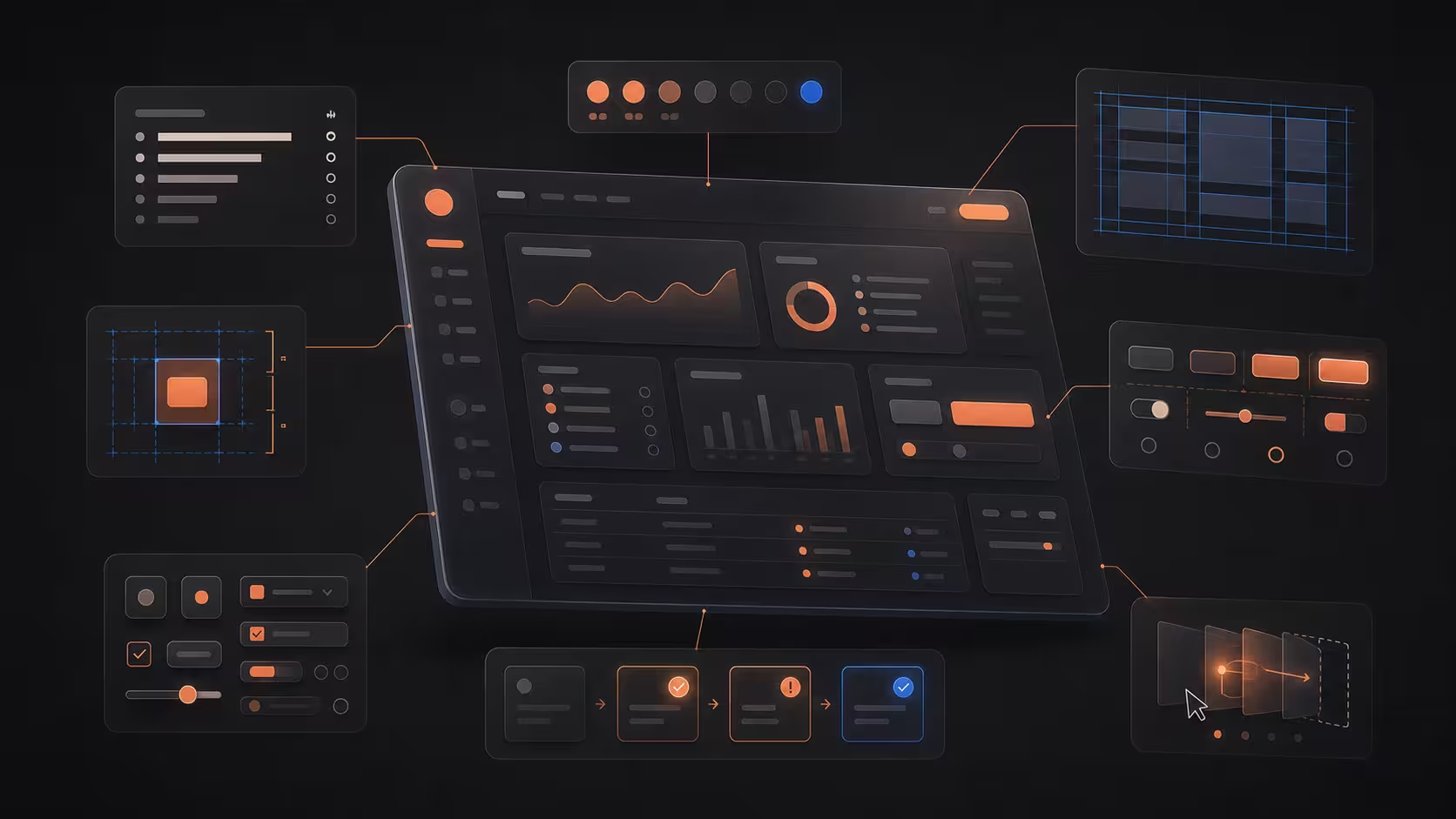
UI design is everything a user sees and interacts with on screen. It answers one question: how does this look and behave?
That covers visual design (typography, color, spacing, and how the brand shows up in the product), interactive elements (buttons, forms, menus, and the feedback they give when touched), and layout (how information is structured so people find what they need without hunting). Good UI is mostly invisible. Users don't notice a well-set type scale or a consistent component library. They notice when a button looks dead, when two screens feel like two different products, or when a form gives no signal that anything happened.
Repeatable interface patterns matter more than individual screens, which is why we build component systems, not pages. I wrote a separate breakdown of one of the most abused patterns in UI card design: examples and best practices.
What is UX design?
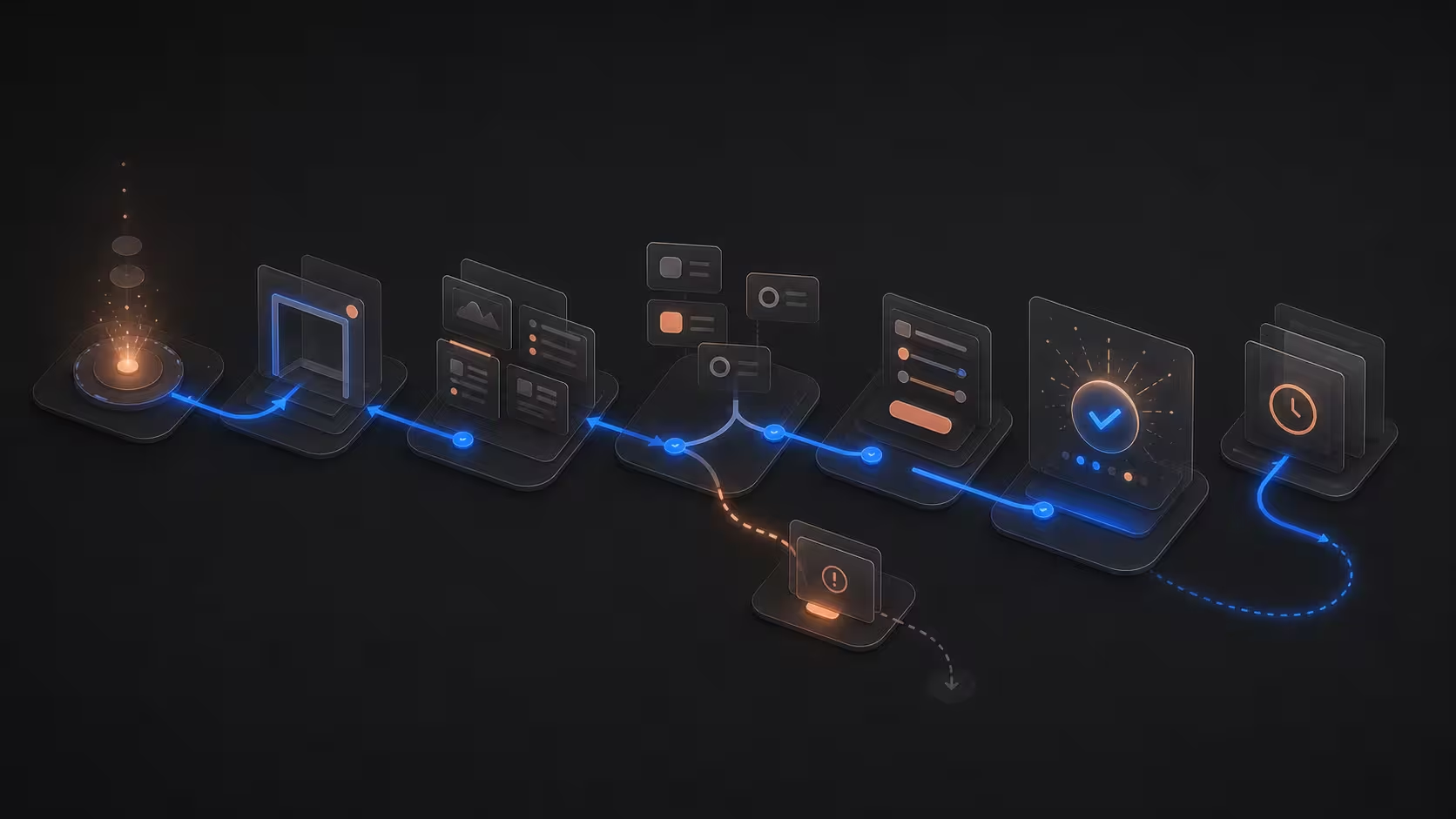
UX design is the whole journey between a user's intent and their outcome. It answers a different question: does the user get what they came for?
UX work happens mostly before anything looks like a finished screen: user research (what people actually need, not what they say in a survey), information architecture (what goes where and why), flows and wireframes (the shortest honest path from arrival to value), and testing (watching real people fail so paying customers don't). UX decisions are measured in behavior. Task completion, conversion, retention, drop-off. If a metric can't tell you whether the experience improved, it's decoration.
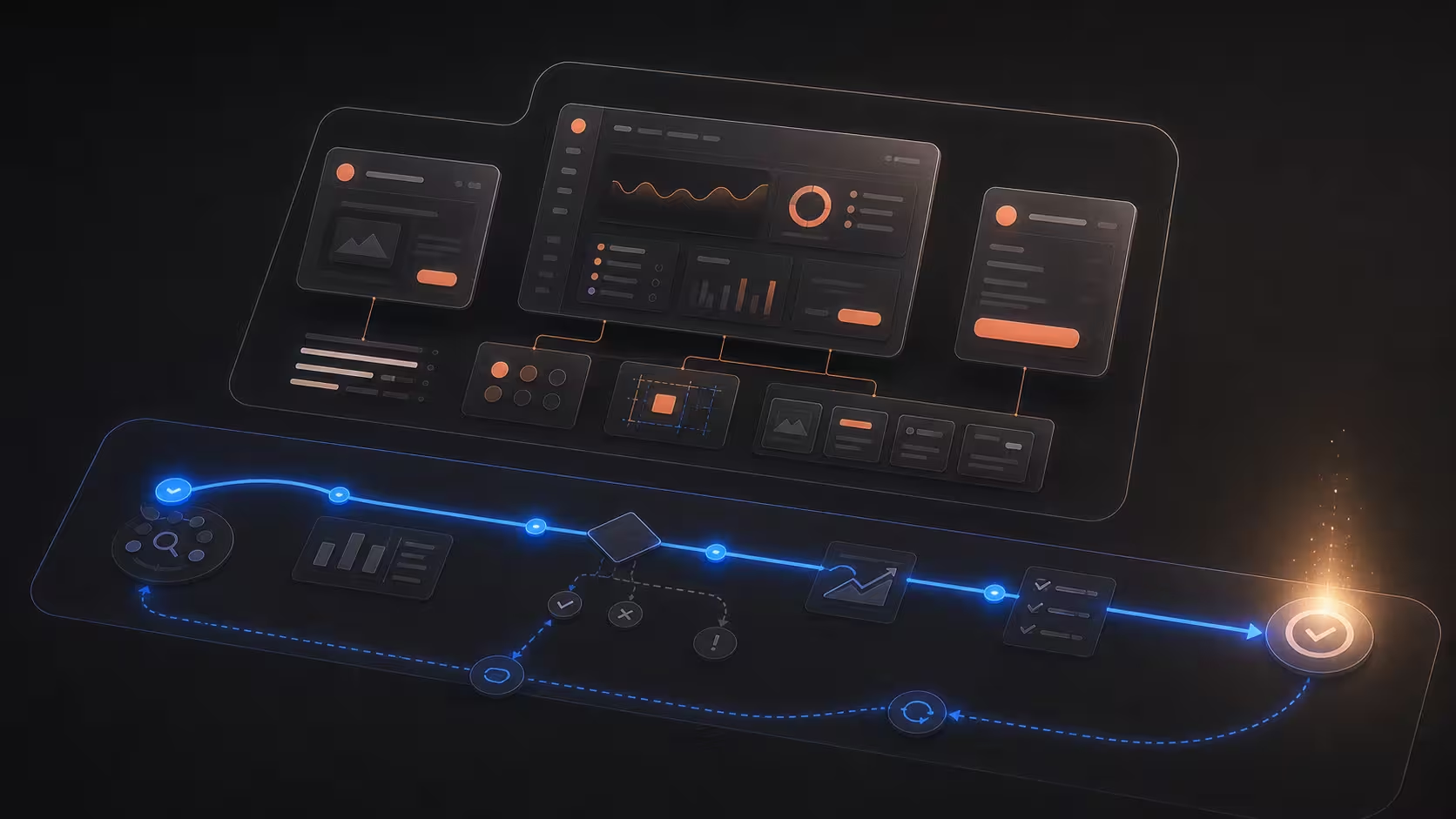
What is the difference between UI and UX design?
The difference between UI and UX comes down to scope. UX defines the journey; UI renders the moments of that journey on screen. UX asks whether the right thing is being built. UI asks whether it's presented so the user trusts it and can act on it.
One test I give founders: if you can screenshot a single screen and something feels off, that's probably UI. If you can only see the problem by walking through the product like a new user, that's UX.
Product design goes one layer further still, folding business strategy into the mix, and I've broken down product design vs UX design: similarities, differences, and everything in between separately.
How do UI and UX work together?
They're sequential more than parallel. UX defines the flow, the content, and the priority of each screen. UI then makes each screen legible, on-brand, and pleasant to use. Skip the first and you polish the wrong thing. Skip the second and users won't trust the right thing.
In practice the disciplines loop. A UI constraint (this table won't fit on mobile) forces a UX decision (which columns actually matter?). A UX finding (users skim, they don't read) forces a UI decision (bigger hierarchy, less copy). Teams that split the two into silos ship products that are pretty and confusing, or logical and cold.
UI designer vs UX designer: who does what?
A UI designer owns the visual system: components, typography, color, states, motion, and consistency with the brand. A UX designer owns the journey: research, flows, wireframes, testing, and the argument for why the product should work one way and not another.
The overlap is real. Both prototype, both need to understand user behavior, and both sit between product and engineering. In most agencies and many SaaS teams, one person does both, which is why the market talks about "UI/UX designers" as a single role. The title matters less than the coverage: someone has to own the journey, and someone has to own the screen. When both go unowned, marketing inherits the symptoms.
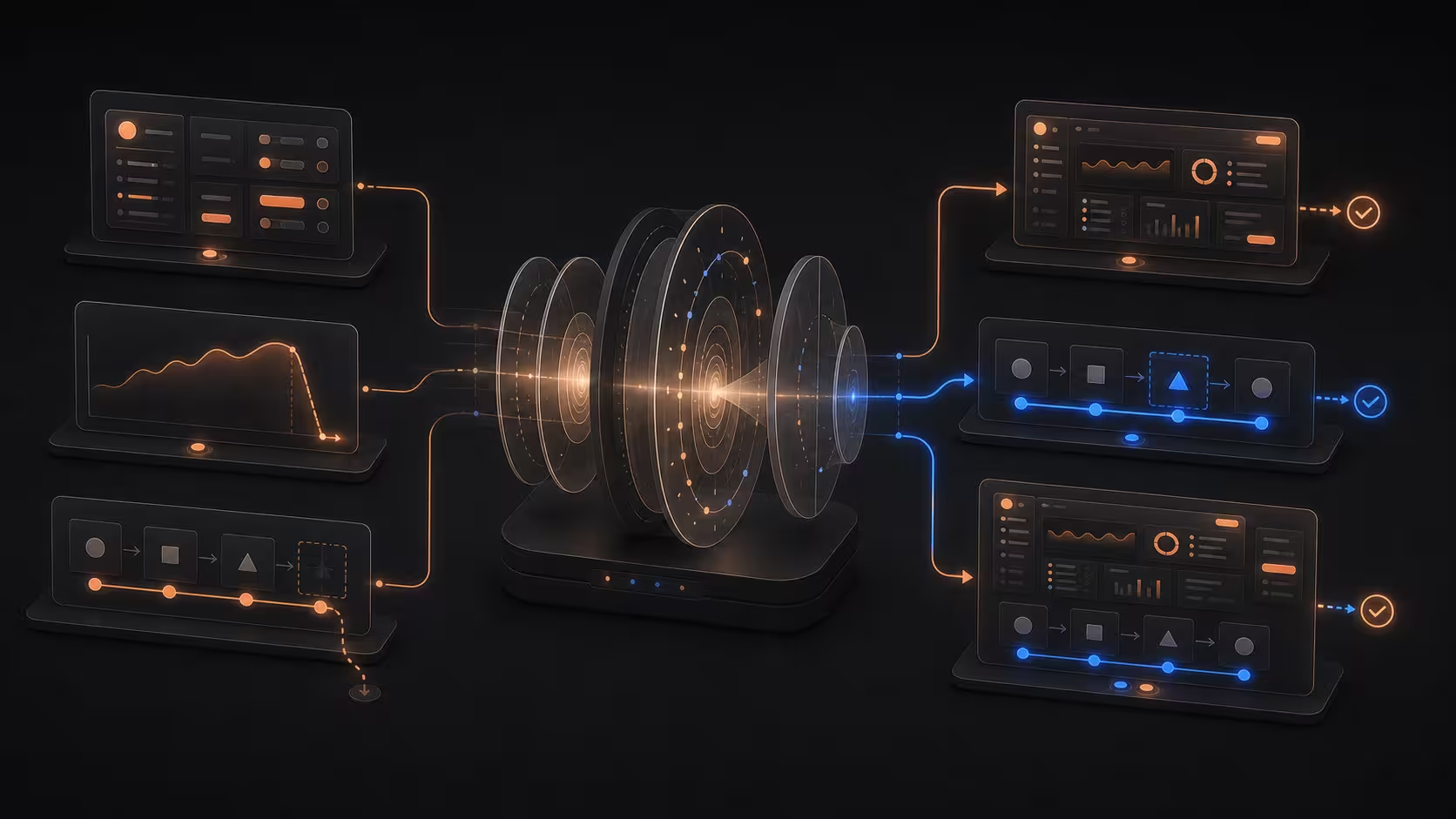
Which one is your problem?
If you run marketing or growth, you don't need to win a design debate. You need to know which discipline moves your number. This is the same separation that ended the argument in that kickoff, and you can run it on your own analytics today.
Read your data before your screens. High bounce on pages that look fine is usually UX: the page isn't answering the visitor's question fast enough. Drop-off at a specific step is UX: the flow is asking too much, too early. People arriving, scrolling, and leaving without acting can be either, and that ambiguity is exactly the diagnosis worth paying for. When we rebuilt Gridwise's website, the work ran both disciplines in the right order: restructure how the product was explained, then redesign the surface. Conversions rose 24%.
That diagnosis is where every engagement with our UI/UX design team starts: find the exact moment users hesitate, then remove it. Not a repaint. A fix.
The honest summary
UI is the screen. UX is the journey. Confusing them is expensive in one specific way: teams buy a redesign of the thing they can see to fix a problem that lives in the thing they can't. Diagnose first. If the journey is broken, no interface will save it. If the journey works, the interface is what makes people trust it enough to start.
If you'd rather we run that diagnosis with you, let's talk. And if you want to see where product interfaces are heading, read the UX/UI trends shaping digital products in 2026.