Designs don't break in Figma. They break in the build. We're the Webflow development agency that ships them intact.
We build approved designs into fast, accessible Webflow sites, with the CMS, integrations, and custom code they need, then hand them to a marketing team that publishes without us. Webflow Premium Partner. Primer, Rillet, and Timefold run on Webflow builds we shipped.
B2B SaaS teams running on Webflow builds we shipped



















A Webflow build either survives two years of your team, or it doesn't
The Figma file is usually fine. The trouble starts when it becomes a live site. The gap between "looks right in the demo" and "holds up in production" is where most Webflow builds quietly fail.
Webflow development is the work of closing that gap: structure, CMS, interactions, integrations, and the parts Webflow doesn't do out of the box. Get it wrong and you inherit a site that's slow, fragile, and locked to whoever built it.
It loads slowly and fails Core Web Vitals
Oversized images, heavy interactions, and a careless build drag the load time down. Google notices, and so does every visitor who leaves before the hero finishes loading.
Every edit needs the people who built it
The CMS was set up for the build, not for your team. A copy change or a new case study waits in a developer's queue, and the point of Webflow is gone.
It breaks on mobile and fails accessibility
The desktop view looks sharp. The phone view collapses, the tap targets are off, and screen readers get lost, which is a procurement risk in B2B.
Nothing connects to your stack
Forms don't reach your CRM, events don't reach analytics, and your marketing tools sit outside the site instead of feeding from it.
What our Webflow development services cover
Webflow removes the hand-coding, not the engineering. The structure, the CMS, and the components underneath still get built by someone, and how they're built is what your team lives with afterward.
As a Webflow development agency for B2B SaaS, we take a finished design, ours or your team's, and build it into a production site: fast, accessible, connected to your stack, and easy for marketing to run. If you also need the design, that starts with our Webflow design agency team. If you want your team running the site with AI agents through Webflow MCP, that's our agentic website development work.
Figma to Webflow, pixel-accurate
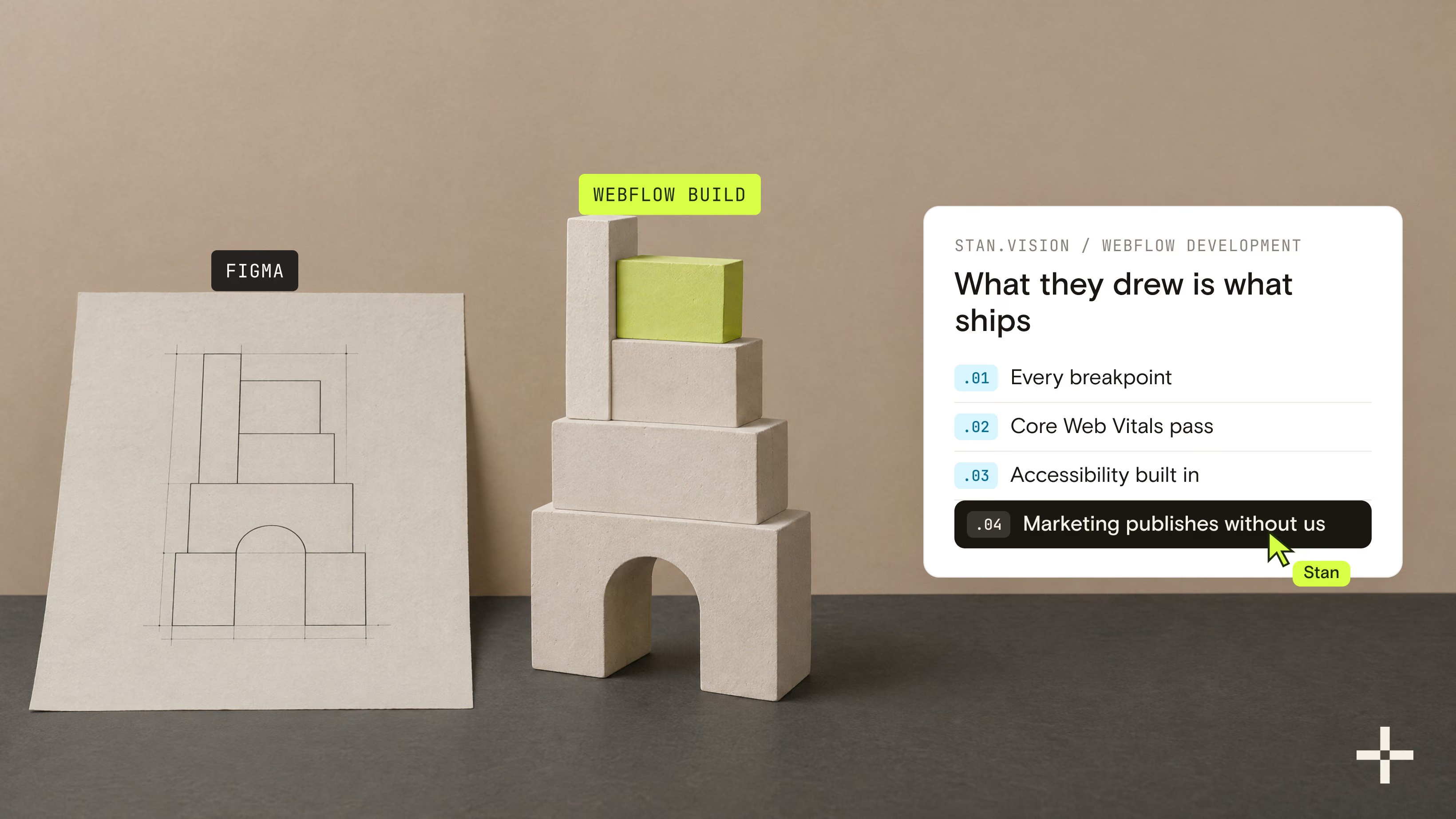
Your designers, or your agency's, hand us the Figma file, and we build it into Webflow exactly, across every breakpoint, white label if you need it. What they drew is what ships.
A CMS your team can run
Collections and dynamic content structured around how your team actually publishes, so a new post, case study, or job opening never needs a developer.
Interactions and motion
Scroll effects, hover states, and animation with Webflow interactions, plus GSAP where it earns its place. Motion that supports the story.
Performance engineering
Images optimized, scripts deferred, and the build kept lean, so the site passes Core Web Vitals on launch day and after.
Accessibility built in
Semantic markup, real focus states, and WCAG-aware structure from the first section, so the site works with screen readers and passes a B2B procurement review.
Integrations and APIs
Forms to your CRM, events to your analytics, and API connections to the tools you sell with. Running on HubSpot? That's our HubSpot agency work.
Custom code and Webflow Apps
Where Webflow's native tools stop, we extend them with custom JavaScript, API calls, and Webflow Apps, so the build does what the design promised.
SEO-ready build
Clean markup, a sound heading structure, schema, and redirects kept intact, so the build supports your rankings. Moving off another platform? See Webflow migration and Webflow SEO.
Handoff and care
We document the build and train your team, so the people who own the site know how to run it. Want us to stay on? That's Webflow maintenance.
Webflow, Webflow plus custom code, or a fully custom build: what goes where?
Short version: native Webflow covers most of a B2B marketing site. Custom code fills the gaps in the same build. A fully custom stack only makes sense when the site behaves like an app. The longer version is in our Webflow vs custom development breakdown.
| Native Webflow | Webflow plus custom code | Fully custom build | |
|---|---|---|---|
| Pages, layout, and CMS content | Yes, edited by marketing | Yes, edited by marketing | Needs a developer per change |
| Interactions and animation | Native interactions | Plus GSAP and custom scripts | Anything, all hand-built |
| Integrations | Native forms and apps | APIs, CRM, analytics events | Anything, all hand-built |
| App-like features (logins, dashboards) | No | Limited, with external services | Yes |
| Who runs it after launch | Your marketing team | Your marketing team | Your engineers |
| Best for | Most B2B SaaS marketing sites | Sites that need custom logic in a few places | Products, not marketing sites |
How a Webflow build goes from design file to live site
A build from a finished Figma design typically takes 3 to 4 weeks. Page count, CMS complexity, and custom code move that number, so the build audit comes first and ends with a fixed scope and timeline before any page gets built.
Results our clients reached
Real business milestones the teams we partnered with hit during the engagement. The work is ours; the wins are theirs.
$200M+
Raised at a $1B valuation. All three rounds closed after our redesign went live.
$175M
Raised while scaling its global payment infrastructure.
$13M
Raised while building its AI planning platform.

$73M
Combined value of the SMSBump and NitroPack exits.
Average partnership
3+ years
Average length of a client partnership. People stay when the work keeps shipping.
7 years
Across strategy, branding, and product, 2018 to 2025.
AI portfolio
15+ companies
AI companies designed for, from first launch to scale.
Enterprise portfolio
10+ clients
Enterprise clients, the kind with procurement departments.
24%
Higher conversion rate after the website relaunch.
Products launched
10+
Software products designed and taken to market with our clients.
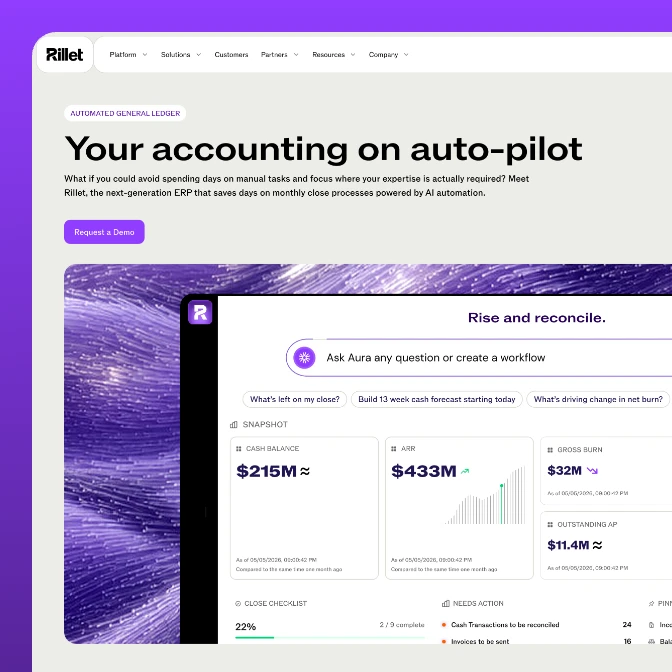
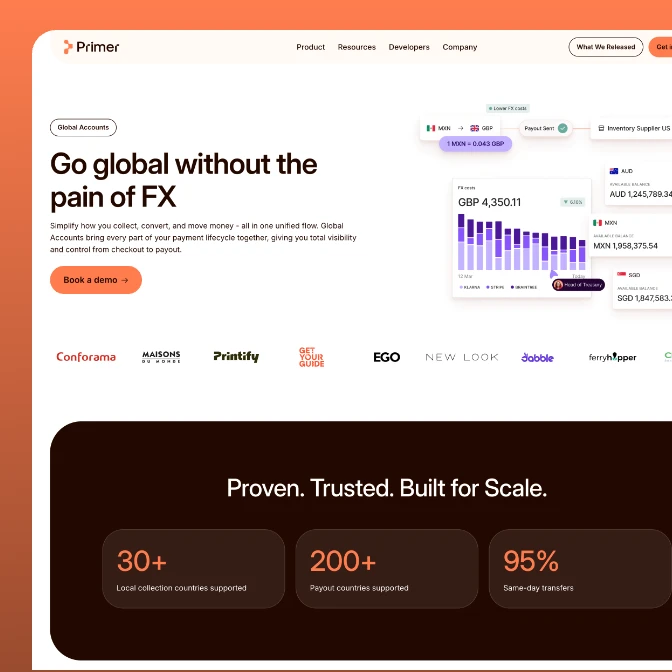
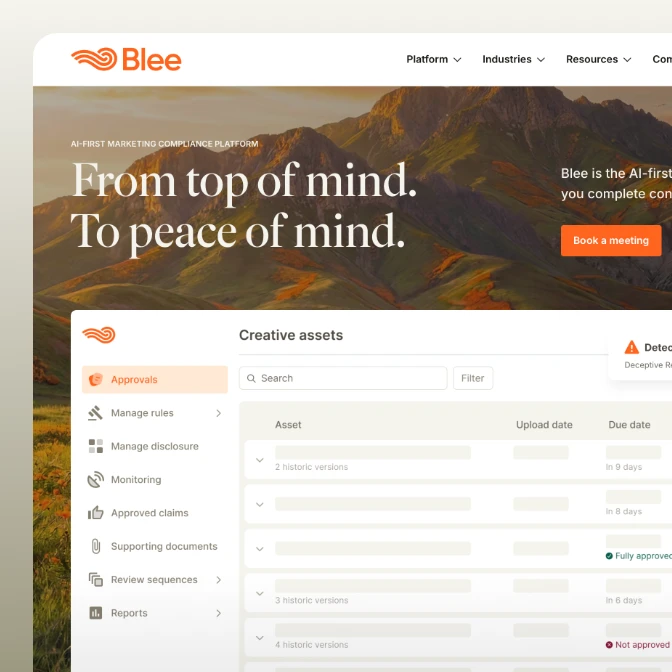
Webflow builds that shipped and held up after launch
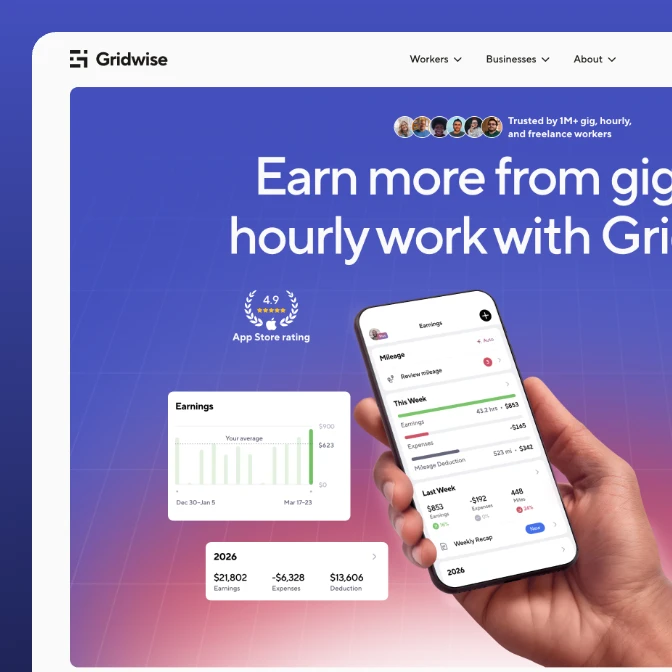
The build is where a design becomes a fast, durable site or a maintenance problem. Primer moved off Craft CMS and saw 58% more sessions in the first two months. Rillet's 50+ page Webflow site carried it to a $1B valuation. Timefold moved 200+ pages and got 4.6x more inbound form submissions. Flowcase saw 3.2x more engagement on its enterprise pages. A closer look below:
58%
more sessions in the first two months after launch
2x
total traffic two years on, with almost no paid spend
2.3x
organic search traffic since the relaunch
$1B
valuation, two years after Rillet started working with us
$195M
raised across three rounds while we ran the site
+83%
Google clicks year over year, Q3 2026 vs Q3 2025
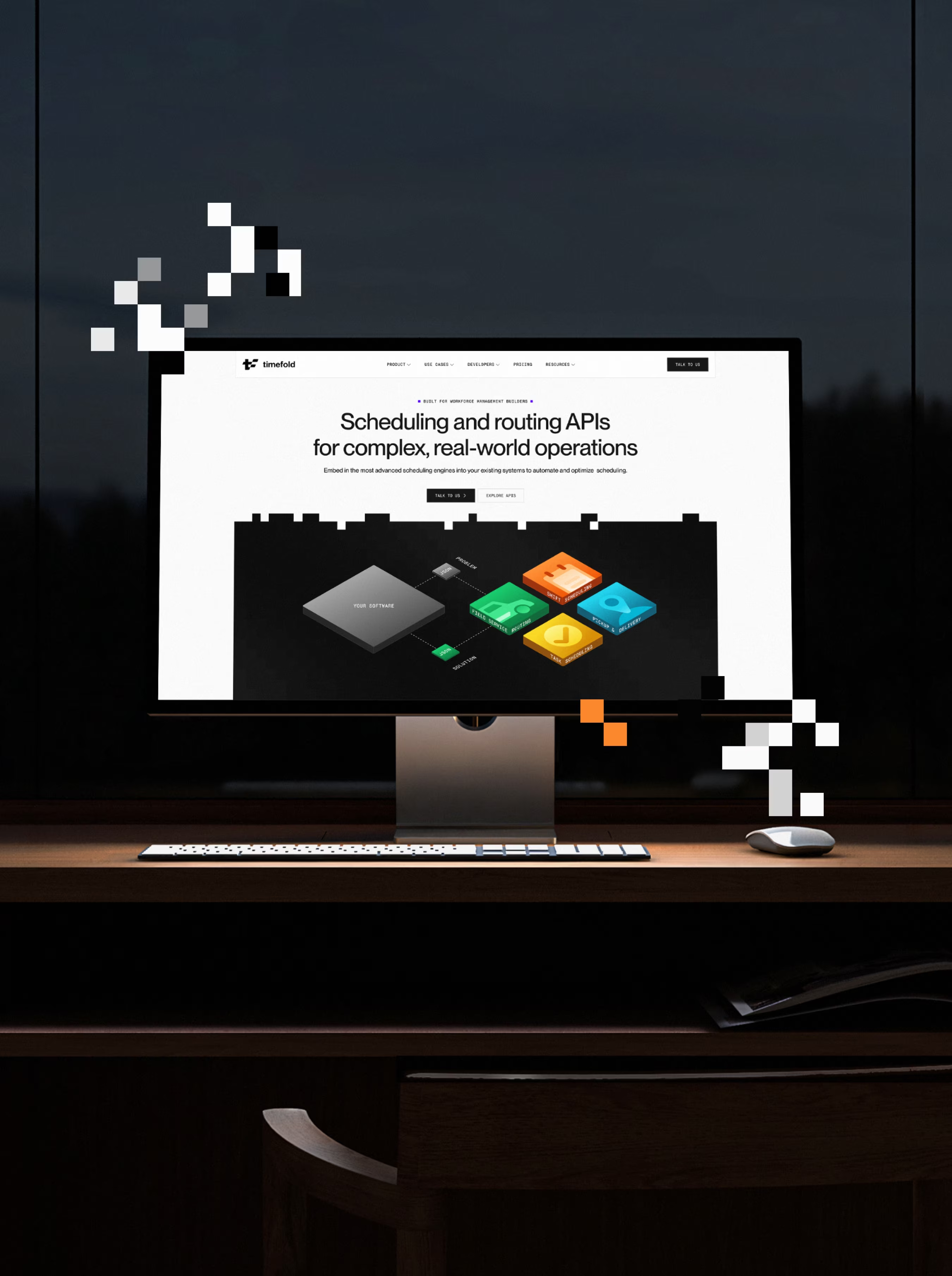
4.6x
more inbound form submissions
7x
higher visit-to-lead rate
200+
pages migrated off Craft CMS
Hire a Webflow developer, or a Webflow development agency?
A freelance Webflow developer is often the right call for a few pages. An in-house developer makes sense when the site needs full-time hands. An agency earns its place when the site carries revenue and has to survive any one person leaving. Here's the honest version.
| StanVision | Freelance Webflow developer | In-house developer | Generalist agency | |
|---|---|---|---|---|
| Webflow depth | Premium Partner, Webflow every day | Varies widely | Usually a generalist | Often subcontracts the build |
| Performance and accessibility | Built in, tested before launch | Inconsistent | Depends on the hire | Inconsistent |
| Integrations and custom code | In-house | Depends on the person | Yes, if they have the skills | Varies |
| Your team runs it after launch | Documented and trained | Depends on the person | Yes, while they stay | Often build-locked |
| Build from a finished design | 3 to 4 weeks | Depends on availability | Months to hire first | Varies |
| If someone leaves | Documented, you keep the keys | The site can stall | You lose the knowledge | Build-locked |
| Best for | B2B SaaS sites that carry revenue | A few pages on a tight budget | Constant, full-time site work | Large programs across many channels |
Industries
we go deep in
We specialize where design and growth decisions carry the most weight.
Awards
25 awards from Awwwards, CSS Design Awards, and Behance. And since 2023 Stan sits on the Awwwards jury, which is rarer than winning.
1x SOTD + 1x DEV + 13x HM
1x Jury member

Awwwards: 15 awards in total. 1 Site of the Day (SOTD), 1 Developer Award (DEV) and 13 Honorable Mentions (HM). Stan Kirilov is an Awwwards jury member.
2 SOTD + 4 SK
1x ex. Jury member

CSS Design Awards: 6 awards in total. 2 Sites of the Day (SOTD) and 4 Special Kudos (SK). Stan Kirilov is a former CSS Design Awards jury member.
4x Featured in Web design

Behance: StanVision projects featured 4 times in the Behance Web Design gallery.
Frequently asked questions
Webflow development questions, answered.
What does a Webflow development agency do?
A Webflow development agency builds a finished design into a live, production-ready Webflow site. That covers the project structure, the CMS, responsive pages and interactions, integrations with your stack, and custom code where Webflow's native tools stop. The goal is a fast, accessible site your team can run, not just a design rebuilt online.
What is Webflow development?
Webflow development is building a website in Webflow so it works in production, not just in the design file. Webflow generates the HTML, CSS, and JavaScript, but the developer decides the structure, the class system, the CMS, performance, accessibility, and any custom code. Those decisions are what make the site fast and maintainable, or neither.
How do you turn a Figma design into a Webflow site?
We start with a build audit of the Figma file, set up a class system and components, then build every page across breakpoints and connect the CMS. Interactions, integrations, and custom code come next, then QA, performance, and accessibility. A typical build takes 3 to 4 weeks, and you review on a live staging link the whole way.
Can our marketing team manage Webflow without developers?
Yes, when the build is set up for it. Webflow lets non-developers edit content, publish pages, and update the CMS through a visual editor. That only works if the CMS and components were built around how your team publishes. We build for that on purpose, then train your team, so routine changes never wait on us.
How do you choose a Webflow developer?
Look at three things. Webflow depth: partner status and live B2B builds you can inspect. Build quality: ask for Core Web Vitals and an accessibility check on a site they shipped. Handoff: ask who edits the site after launch and what documentation you get. A developer who keeps you dependent on them for every change is the one to avoid.
Should you hire a freelance Webflow developer or a Webflow development agency?
It depends on scope and stakes. A freelancer fits a small, contained build: a landing page, a template change, a site under a dozen pages. An agency fits when the site carries revenue. You get structure, performance, accessibility, and QA as a process instead of one person's habits, and the build survives if any one person leaves.
Will Webflow replace web developers?
No. Webflow replaces hand-coding for standard marketing pages, so developers spend less time on layout and more on what matters: structure, performance, accessibility, integrations, and custom code. A Webflow site built without that thinking still ends up slow and fragile.
How much does Webflow development cost?
Our Webflow builds start from €15,000 ($15,000). Where yours lands depends on page count, CMS complexity, integrations, and how much custom code the build needs, and we scope it after a short audit. Webflow's own hosting plans are a separate cost, broken down in our Webflow pricing guide.
Do you do white-label Webflow development for agencies?
Yes. Design agencies and in-house design teams hand us finished Figma files, and we build them in Webflow under their name, with the same structure, QA, and documentation as our own projects. A typical build takes 3 to 4 weeks, and the client relationship stays yours.
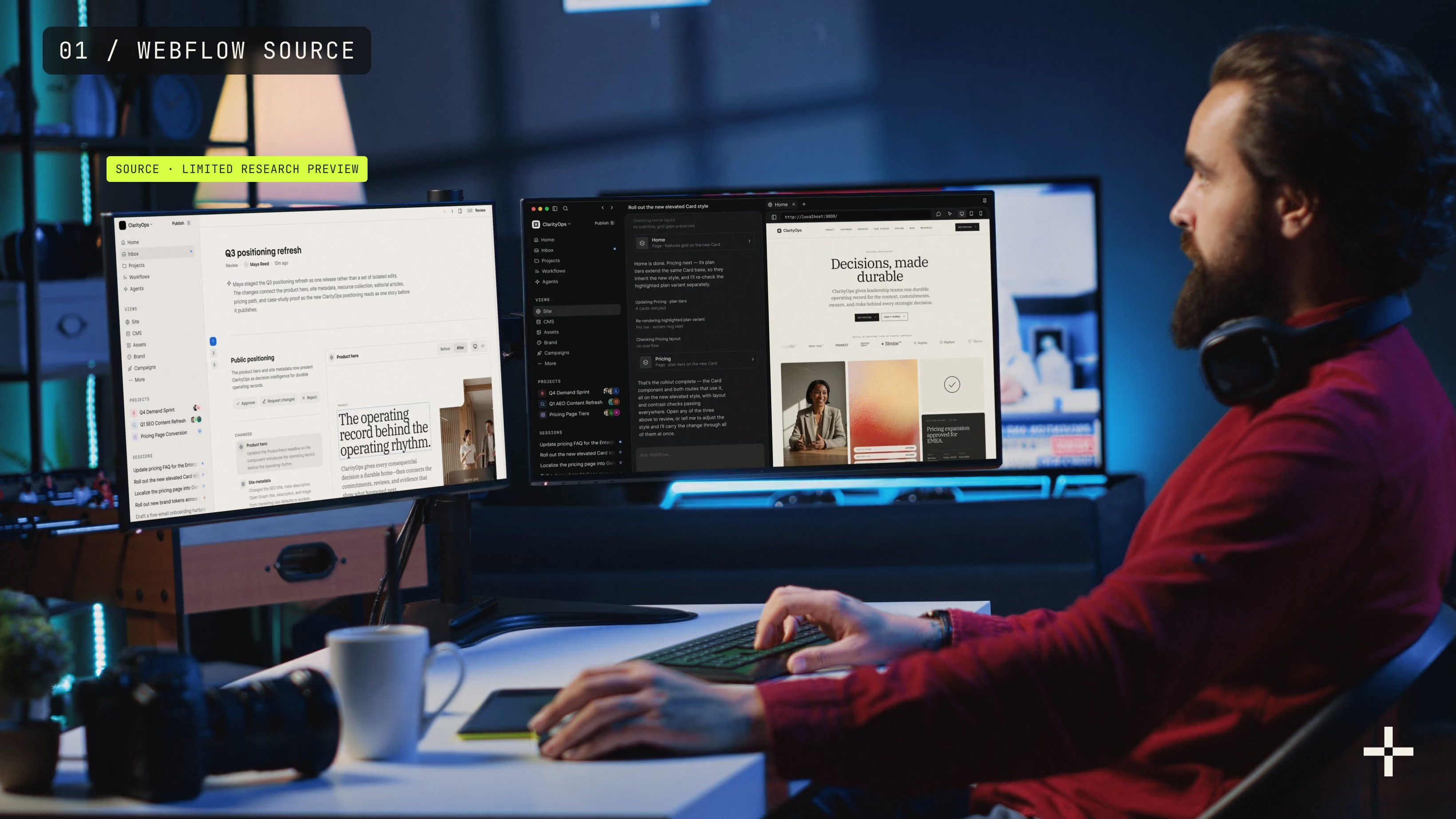
Webflow Source explained: what it means for your Webflow site
Source is Webflow's bet on sites run by marketers and agents together. You don't need to wait for it to start getting ready.


Framer vs Webflow: 7 questions to ask before you choose
Framer is faster to start with. Webflow is easier to grow. Here are seven questions to help you figure out which one your site needs.
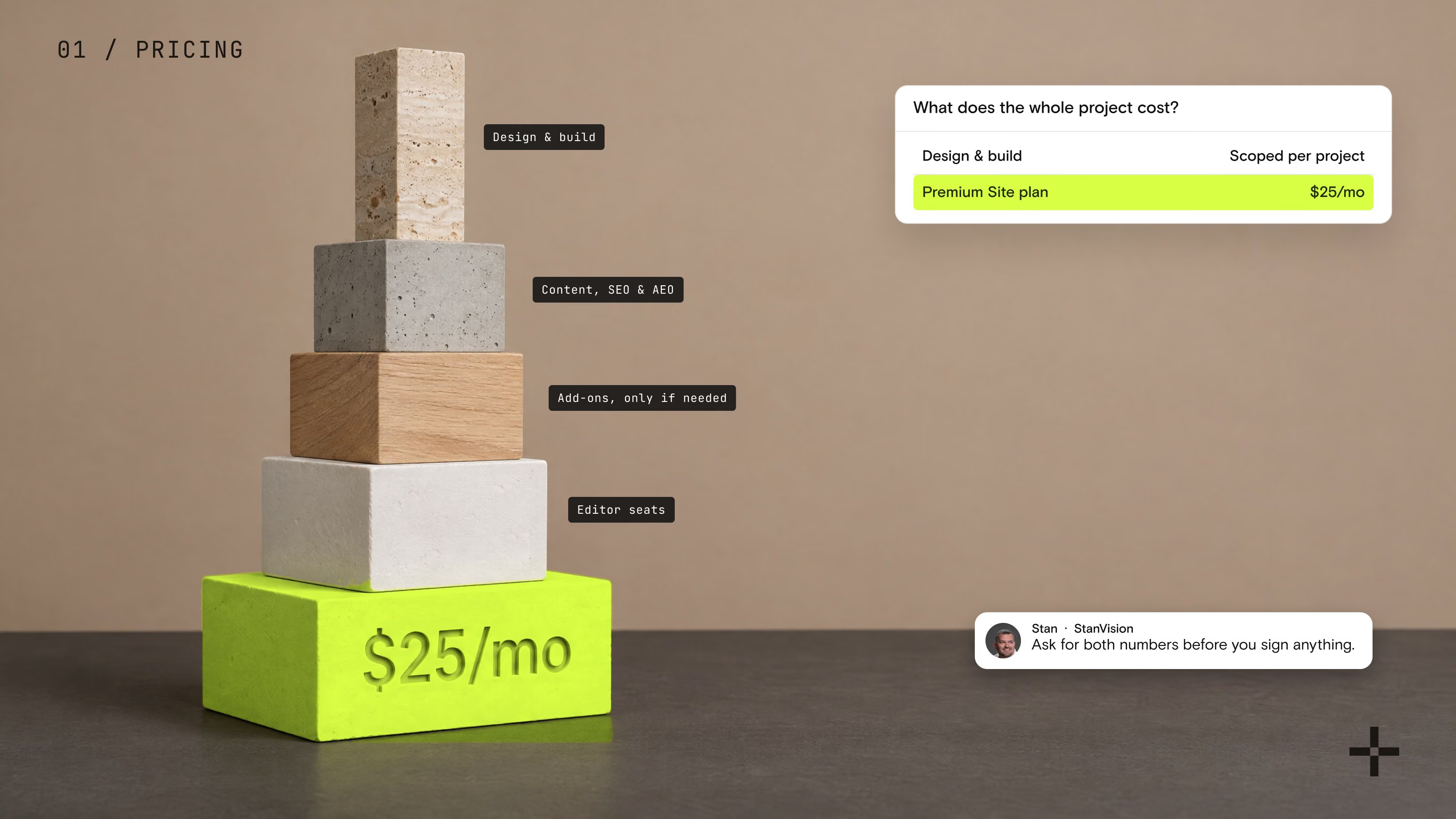
Webflow pricing in 2026: every plan, and what a real site costs
Webflow's own plan starts at $15 a month. Here's what the rest of a real project budget covers, and why.

How enterprise teams should choose a CMS (without regretting it in 2 years)
The platform is rarely the problem. It's everything around it that teams forget to plan for while they're busy comparing features.