Webflow, UX, and web design, written down
We design and build SaaS websites for a living, then write down what actually moved the numbers. The UX patterns we keep fixing in audits, the Webflow calls that save teams months on a migration, and why a site that ranks beats one that only looks good. No trend roundups for the sake of a post.

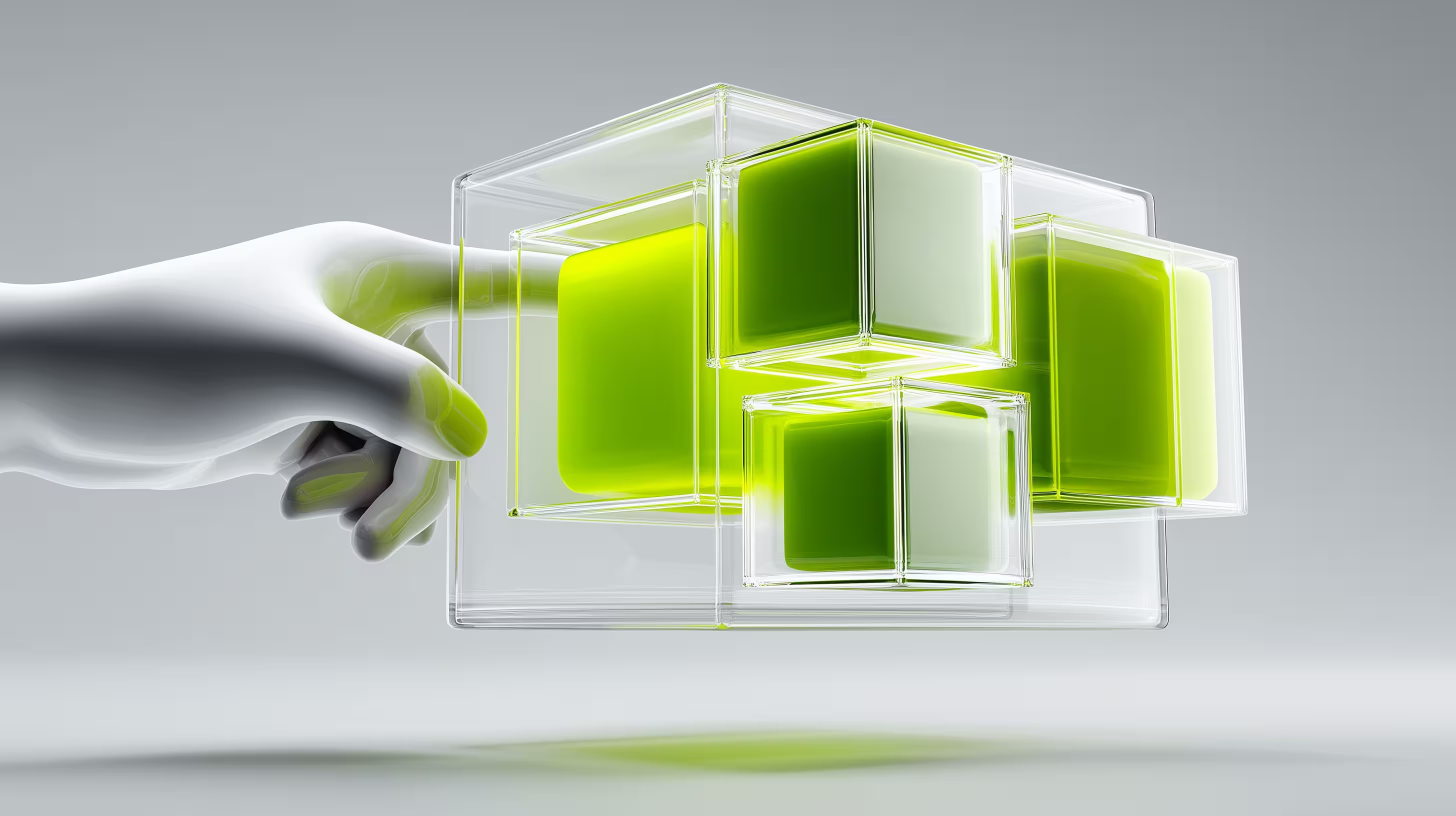
3D web design trend: Bringing volume to your designs with 3D rebranding
Branding and web design are constantly evolving, with each decade bringing fresh visual trends that redefine how brands connect with their audiences. One of the most compelling trends in recent years is 3D rebranding, which leverages the power of three-dimensional elements to create a more immersive and dynamic user experience.



API-first development: Building scalable web applications
As more businesses and services move online, there’s a growing need to build web applications that can handle large amounts of traffic, evolve with changing needs, and work across different devices. One approach that helps developers build such scalable applications is called API-first development.

Integrating AI in web development: Tools & trends
The world of web development is rapidly evolving, driven by advancements in artificial intelligence (AI). AI development tools are transforming the way we build, manage, and interact with websites, offering a plethora of tools and functionalities that enhance efficiency, automate repetitive tasks, and elevate user experience. AI in web development is becoming increasingly crucial, allowing developers to streamline processes and create smarter, more responsive websites. This article explores the latest trends and tools in AI for web development, providing practical tips for integration and highlighting some of the leading tools in the space.

SaaS UX best practices: Product design from concept to launch
In the area of Software-as-a-Service (SaaS) products, design plays a pivotal role in shaping user experiences and driving success. From the initial spark of an idea to the thrilling moment of launch, the journey of designing a SaaS product involves meticulous planning, strategic decision-making, and a deep understanding of user needs. This comprehensive guide walks you through the essential steps and best practices for creating a compelling SaaS product that resonates with users and stands out in the competitive market, emphasizing the importance of good SaaS UX design for long-term success.
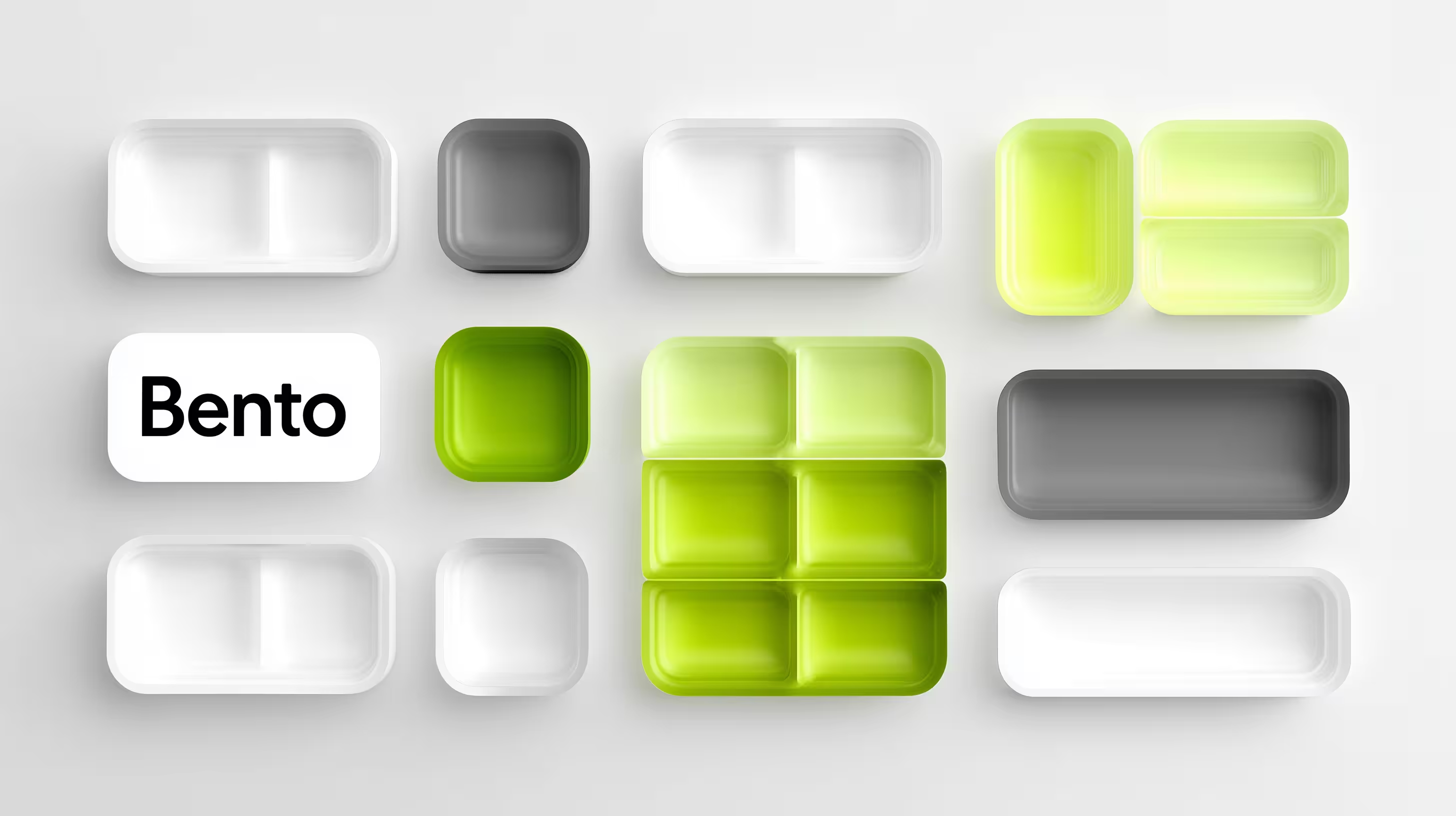
Revolutionizing UI/UX with Bento UI grid design trend
Updated for 2025: The world of UI/UX design continues to evolve with trends that focus on usability and visual clarity. One that’s still shaping digital experiences is the Bento grid design — a layout inspired by traditional Japanese Bento boxes. Popularized by Apple’s product showcases, this grid-style approach brings structure, balance, and sophistication to modern interfaces. Known for organizing content into clean, easy-to-navigate sections, Bento design is transforming how users interact with digital products. Let’s explore its origins, benefits, and best practices for applying Bento grids in today’s UI/UX projects.

Product design trends 2024: Emerging trends for product design
Product design has been a pivotal year marked by groundbreaking innovations and transformative trends. The rapid growth of the Internet of Things (IoT) is leading to an exponential increase in interconnected devices, which is significantly impacting product design. As businesses undergo digital transformation to meet the dynamic demands of consumers, several key trends are set to redefine the future of product design. The evolution of digital products within modern product design is also crucial, as reliance on data and technology continues to create innovative solutions that enhance user experiences.
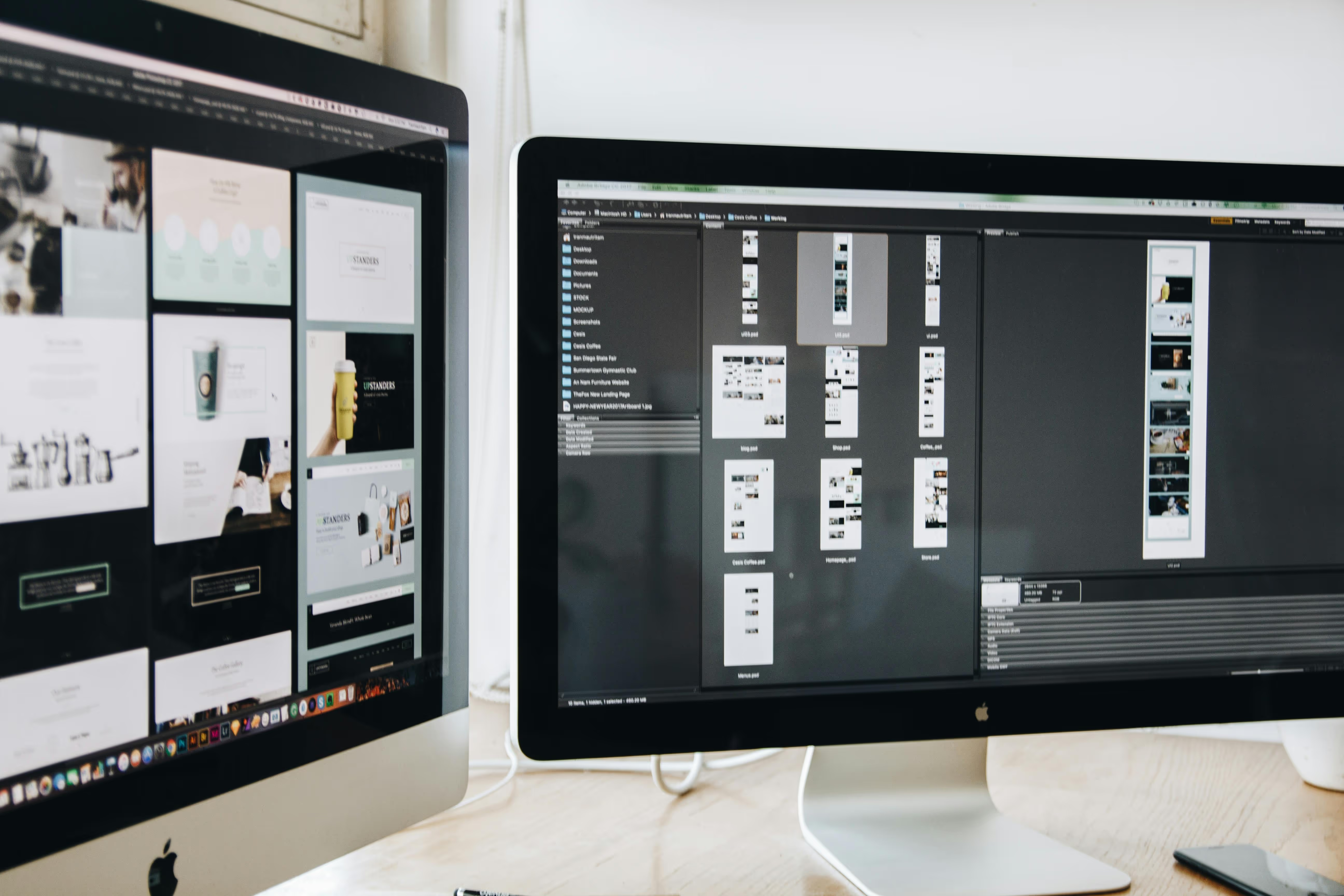
The future of product design: emerging trends and technologies
The field of product design is continuously evolving, driven by rapid advancements in technology and shifting user expectations. One of the key benefits and impact of AI-integrated design is the enhancement of user experience, providing greater control and feedback. As we look to the future, several key trends and technologies are set to redefine the landscape. Among these, AI-integrated design, cross-platform UX, and location-based UX are gaining significant traction. In addition, visual elements such as animated icons and 3D visuals, emotionally intelligent design, and minimalist user interface are becoming increasingly important. Let’s explore these trends and understand how they are shaping the future of product design.
Responsive design UX: Ensuring seamless user experience across devices
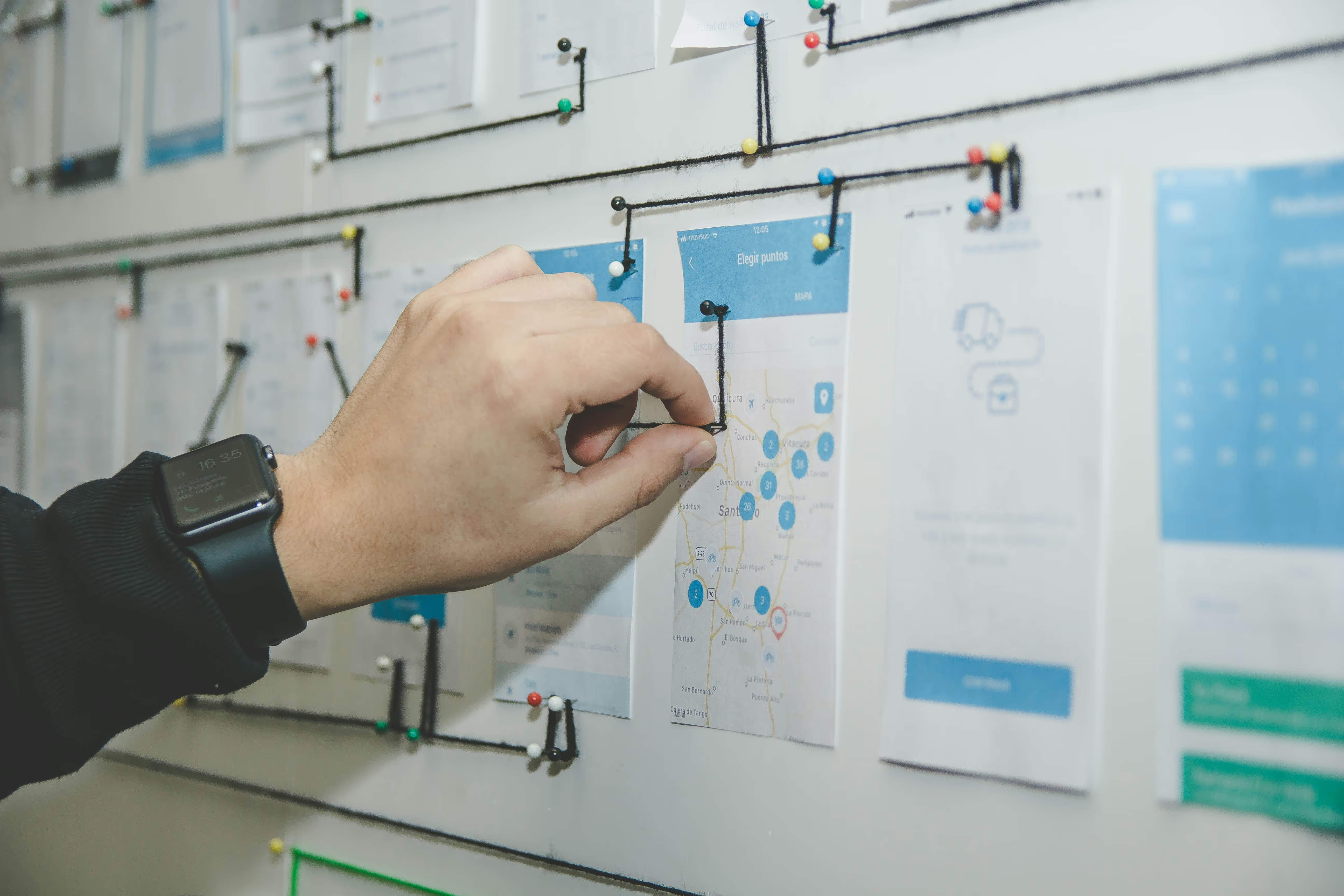
In an era where people use a multitude of devices to access the internet, ensuring your website looks and functions well on all of them is non-negotiable. This is where responsive web design comes in. It’s not just a trend—it’s a fundamental aspect of modern web development that directly impacts user experience (UX) and engagement. Responsive web design is also crucial for indexing and ranking on search engines, particularly with Google's mobile-first indexing.

The impact of design and color theory in product design
Color theory is a game-changer in product design, seamlessly blending aesthetic appeal with an unforgettable user experience. Imagine taking your product from "just okay" to "wow, that's amazing!" by mastering the art of color theory and picking the perfect color palette. Colors have the power to captivate users, evoke emotions, and make a lasting impression. In this article, we're diving into the fascinating world of color psychology and sharing some killer tips on choosing color schemes that will elevate your design and leave users wanting more. Buckle up, it's time to add some serious color magic to your product design!

Understanding the social needs for accessibility in UX design
In today's rapidly evolving digital landscape, the concept of accessibility has transcended from being a legal requirement to a moral imperative. Designing products with inclusivity in mind not only broadens their reach but also fosters a sense of belonging and empowerment among users of all abilities. In this article, we'll delve into the principles of inclusive design and explore best practices for creating products that are accessible to everyone.
.avif)
Unveiling the crucial role of prototyping in product design thinking
In the realm of product design, the journey from conceptualization to a tangible, market-ready product is intricate and demanding. Amidst this creative process, one indispensable tool stands out: prototyping. Experimenting with new ideas is crucial during the prototyping stage to generate innovative concepts and solutions. Prototyping serves as the bridge between abstract ideas and concrete solutions, playing a pivotal role in the iterative and user-centric approach of design thinking.
.jpeg)
Integrating user feedback into the product design process
In product design, creating user-centric solutions is paramount. One of the most effective ways to ensure that a product resonates with its audience is by integrating user feedback throughout the design process. User feedback provides invaluable insights into real-world interactions, helping designers understand and address user needs, preferences, and pain points.
.svg)