Your product isn't showing up in AI answers. That's an answer engine optimization problem
We're an answer engine optimization (AEO) agency for B2B SaaS. We make your site the source ChatGPT, Perplexity, and Google's AI Overviews quote when your buyers ask, not the blue link they scroll past. After we rebuilt Timefold's site for search and AI engines, traffic from AI assistants rose 130% in the first month.

Teams that trust us




















Search changed. Your buyers stopped clicking
Your buyers used to Google a problem, scan ten links, and click yours. Now they ask ChatGPT or read Google's AI Overview and never reach the links at all.
If the answer engine doesn't name you, you're not in the running, and you can't even see that you're losing. This is rarely a content-volume problem. Most B2B sites publish plenty. It's that the content isn't built for a machine to read, trust, and quote.
Invisible in AI answers
Buyers ask ChatGPT or Perplexity about your category and your competitors get named. You don't.
Ranking for links nobody clicks
You hold page-one positions, but the AI Overview answers the question above your result, so the traffic never arrives.
Content a machine can't parse
Your pages read fine to a person and badly to a crawler: no direct answers, no defined terms, no structure an engine can lift.
No read on your AI visibility
You don't know whether ChatGPT recommends you, mentions you, or has never heard of you, and you have no way to track it.
What an answer engine optimization agency actually does
Answer engine optimization (AEO) is the practice of structuring your site so AI answer engines (ChatGPT, Perplexity, Google AI Overviews) cite it as a source. As an AEO and generative engine optimization (GEO) agency for B2B SaaS, we run the whole program end to end, together with BrainDonors, our partner marketing agency: we make your content the thing a model reaches for, then prove it moved.
SEO gets you ranked. AEO gets you quoted. The ranking side is our SaaS SEO work, and on Webflow sites our Webflow SEO team ships the fixes in the same build, as part of our Webflow design agency practice. The two feed each other, because answer engines still lean on the same signals that rank you. When AI agents should also help run the site, not just read it, that's our agentic website development work.
AI visibility audit
We test what ChatGPT, Perplexity, and AI Overviews say about your category today, and where you're missing from the answer.
Entity and schema markup
We mark up your pages so engines know what your product is, who you serve, and why to trust you (Organization, Service, FAQPage, and more).
Answer-first content structuring
We rewrite key pages to lead with the direct answer engines lift, then expand, so your copy gets quoted instead of buried.
Question and FAQ coverage
We map the real questions your buyers ask AI and build pages that answer them in full, the exact format answer engines pull from.
Comparison and "vs" content
We build the head-to-head pages buyers search ("X vs Y"), because comparison tables get cited disproportionately often.
Generative engine optimization (GEO)
We tune for the generative engines specifically (ChatGPT, Gemini, Perplexity), where the citation rules differ from classic search.
Technical crawlability
We make sure engines can reach and read your content: clean markup, fast pages, nothing walling the crawler off from the answer. Usually built in Webflow.
AI visibility tracking
We monitor whether you're getting mentioned and cited over time, so AEO becomes a number you can report, not a hope.
Implemented natively in Webflow
Schema, answer blocks, and structural fixes shipped straight into your Webflow build, usually the same week. The classic search side stays covered through our Webflow SEO service.
AEO vs SEO vs GEO: what's the difference?
Short version: SEO gets your page ranked in the list of links. AEO gets your page cited as the answer above the links. GEO is AEO aimed specifically at generative engines like ChatGPT and Gemini. They overlap, and a B2B company needs all three. Here is how they split.
| SEO | AEO | GEO | |
|---|---|---|---|
| What it optimizes for | Ranking in the classic list of search results | Being cited as the answer across AI surfaces, including Google's AI Overviews | Being cited by generative chat engines like ChatGPT, Gemini, and Perplexity |
| The win | Your page holds a top position and earns the click | Your content is quoted in the answer, with your name on it | The model names you when a buyer asks for options |
| What it rewards | Authority, links, technical health, keyword targeting | Direct answers, defined entities, structured data, question coverage | Quotable statements, comparisons, sources a model can attribute |
| How you measure it | Rankings and organic traffic | Citations and mentions across answer engines, tracked over time | Share of voice in generative answers for your category |
| Does it still matter | Yes. Answer engines lean on classic signals to decide who to trust | Increasingly. This is where buyer research is moving | Growing fastest. The younger the buyer, the more likely the research starts here |
How we get you cited in AI answers
AEO isn't a one-time fix. It's a build. Here is the path from invisible to quoted, usually inside a 10 to 12 week engagement.
Results our clients reached
Real business milestones the teams we partnered with hit during the engagement. The work is ours; the wins are theirs.
$200M+
Raised at a $1B valuation. All three rounds closed after our redesign went live.
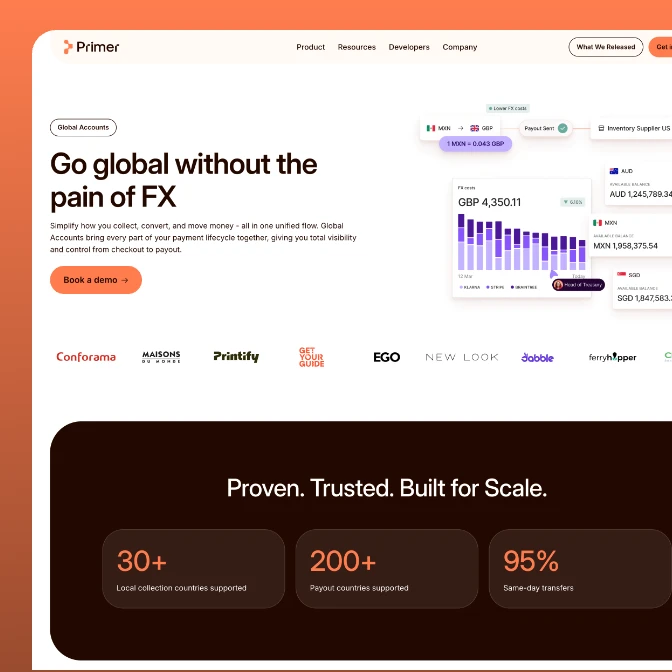
$175M
Raised while scaling its global payment infrastructure.
$13M
Raised while building its AI planning platform.

$73M
Combined value of the SMSBump and NitroPack exits.
Average partnership
3+ years
Average length of a client partnership. People stay when the work keeps shipping.
7 years
Across strategy, branding, and product, 2018 to 2025.
AI portfolio
15+ companies
AI companies designed for, from first launch to scale.
Enterprise portfolio
10+ clients
Enterprise clients, the kind with procurement departments.
24%
Higher conversion rate after the website relaunch.
Products launched
10+
Software products designed and taken to market with our clients.
Proof we build sites that get found
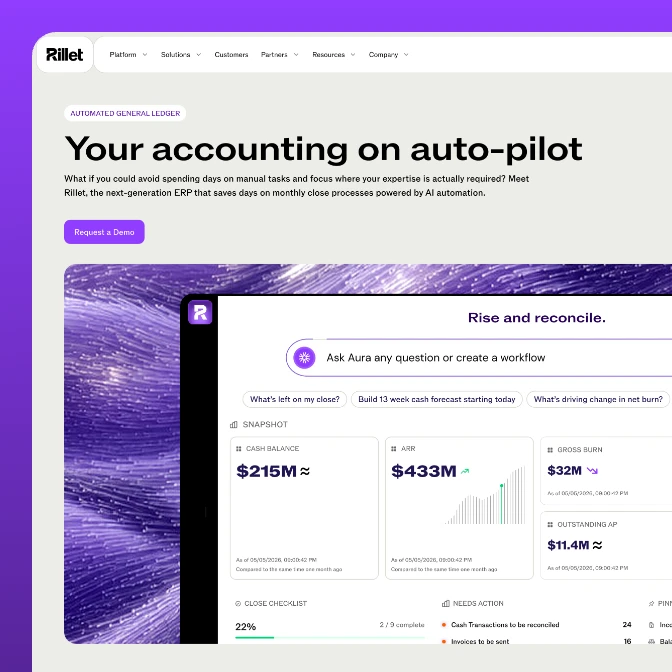
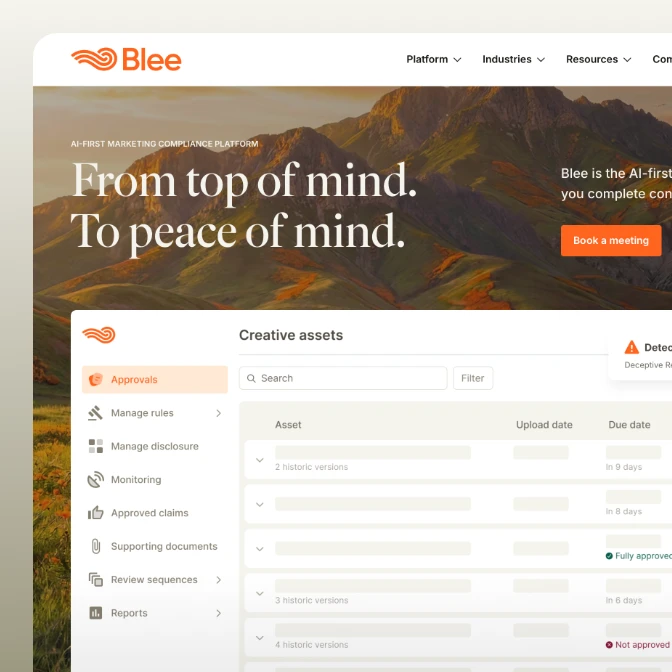
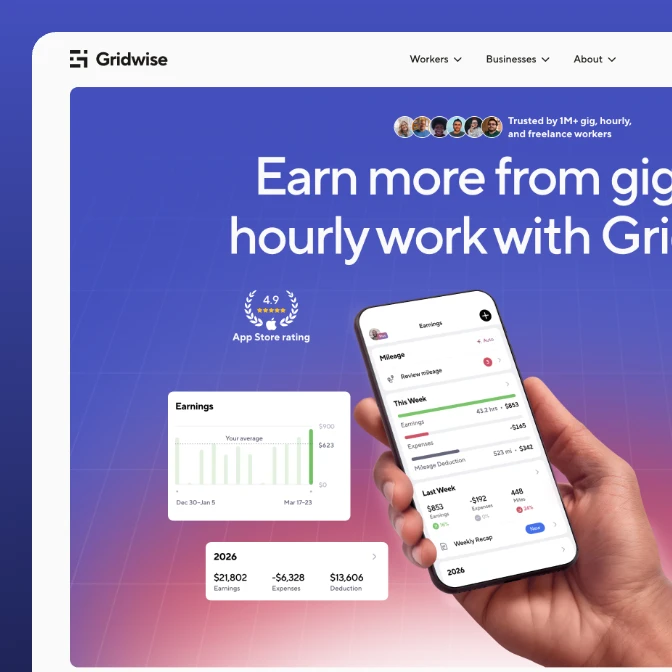
AEO is new, but the discipline under it isn't: structure a site so the right audience finds it and acts. After we moved Timefold off Craft CMS and structured every page for search and AI answer engines, traffic from AI assistants rose 130% and Google Search clicks rose 15% in the first month. Blee's organic search traffic more than tripled in the seven weeks after launch. With BrainDonors, Hypergen's AEO visibility doubled and its organic leads grew 4x.
The work below shows sites rebuilt to rank, convert, and read as the authority in their space, the same foundation AEO is built on.
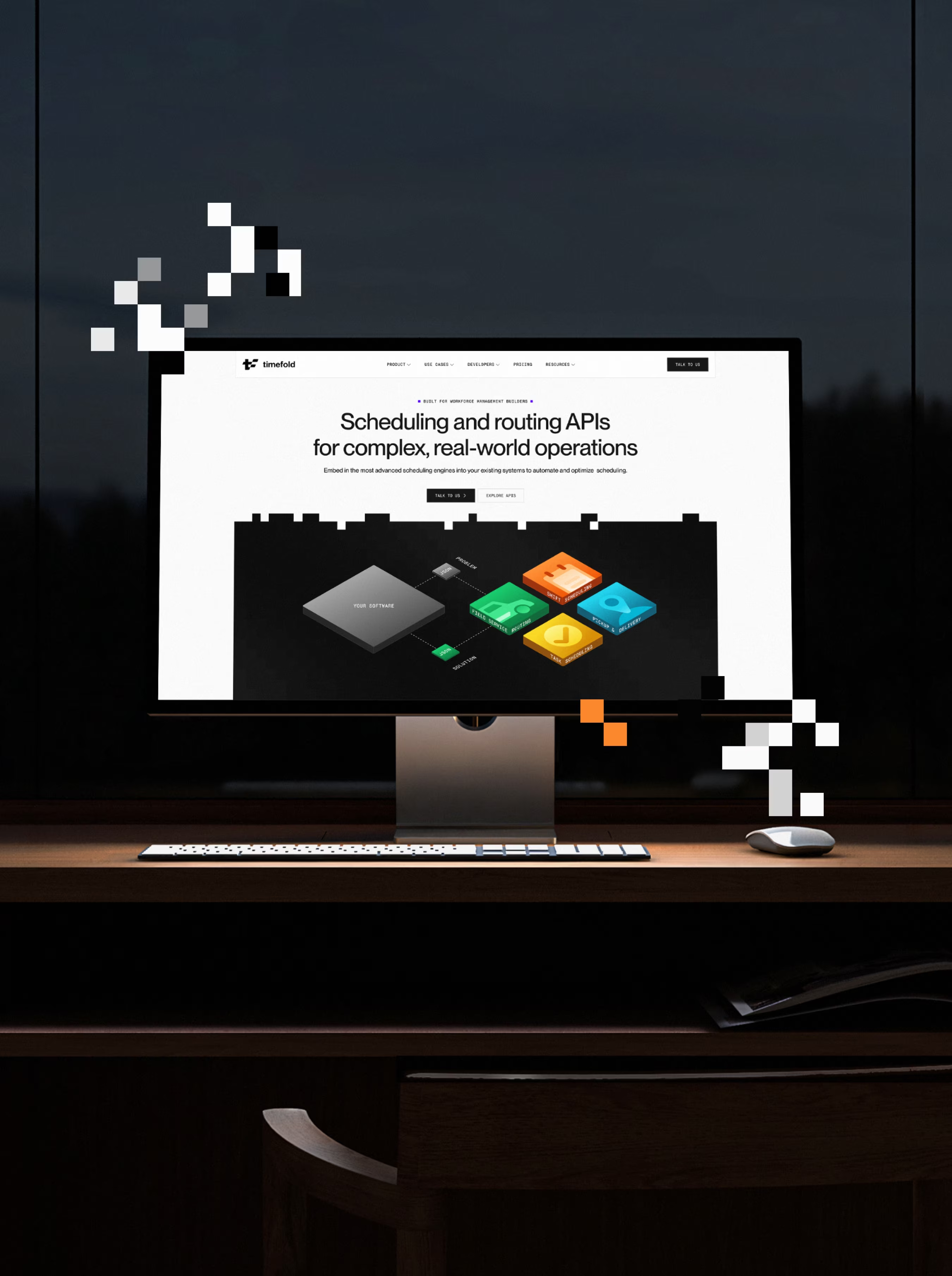
4.6x
more inbound form submissions
7x
higher visit-to-lead rate
200+
pages migrated off Craft CMS
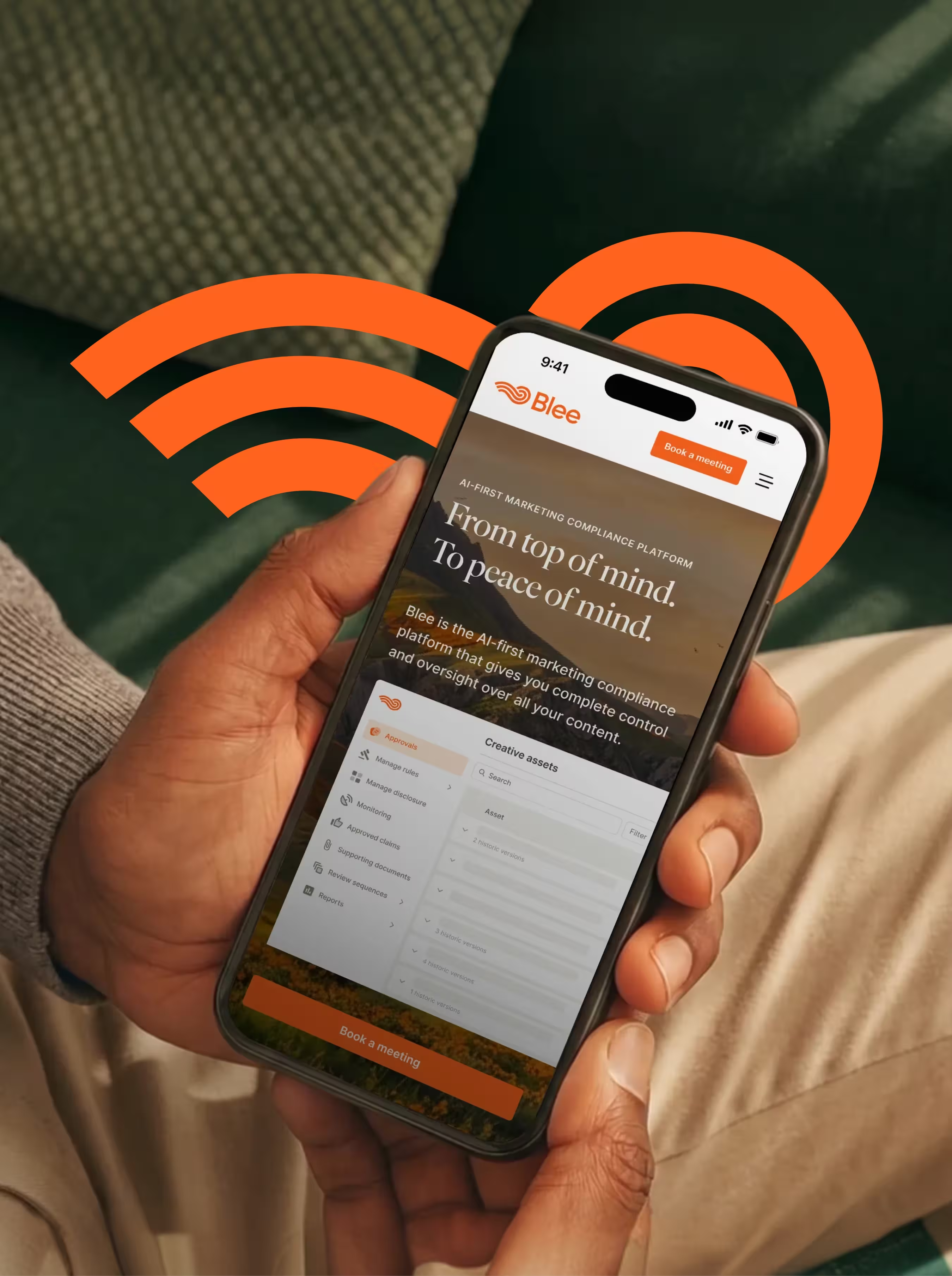
3x
organic search traffic after launch
90%
total session growth in seven weeks
54%
more direct traffic after the rebrand
$1B
valuation, two years after Rillet started working with us
$195M
raised across three rounds while we ran the site
+83%
Google clicks year over year, Q3 2026 vs Q3 2025
Four ways to get this done. The honest version
Most teams weighing this work are choosing between four options: a specialized partner like us, a typical agency, a freelancer, or a new in-house hire. Here's where each one actually wins, including the rows where we don't.
| StanVision | Typical agency | Freelancers | In-house hire | |
|---|---|---|---|---|
| Knows AEO and AI search | AEO, GEO, and SEO run as one program, with citations tracked | SEO retainer with an AEO slide in the deck | Varies. The field is young and hard to vet | Learning it on your payroll |
| Who implements the changes | We do, on your stack, and natively in Webflow when the site runs on it | You do. Recommendations go to your dev queue | Depends on scope and access | You do, when the roadmap allows |
| Content, design, and build in one team | Answer-first content, schema, and the Webflow build under one roof | Strategy only. Execution needs another vendor | Usually one discipline | Depends on team size |
| Measures what matters | Citations and mentions benchmarked before we start, tracked monthly | Rankings and traffic, the old scoreboard | Rarely tracked at all | Possible with tooling and time |
| Cost shape | Project or retainer, scoped to the audit | Retainer-heavy, reporting included either way | Lowest rate. Continuity varies | A salary, plus tools, plus ramp-up |
| Where they win | Specialized, fast, accountable | Breadth across channels like paid and email | Cheapest for small, bounded tasks | In the room every day. Unbeatable context |
Industries
we go deep in
We specialize where design and growth decisions carry the most weight.
Awards
25 awards from Awwwards, CSS Design Awards, and Behance. And since 2023 Stan sits on the Awwwards jury, which is rarer than winning.
1x SOTD + 1x DEV + 13x HM
1x Jury member

Awwwards: 15 awards in total. 1 Site of the Day (SOTD), 1 Developer Award (DEV) and 13 Honorable Mentions (HM). Stan Kirilov is an Awwwards jury member.
2 SOTD + 4 SK
1x ex. Jury member

CSS Design Awards: 6 awards in total. 2 Sites of the Day (SOTD) and 4 Special Kudos (SK). Stan Kirilov is a former CSS Design Awards jury member.
4x Featured in Web design

Behance: StanVision projects featured 4 times in the Behance Web Design gallery.
Frequently asked questions
AEO questions B2B and SaaS teams ask us.
What is answer engine optimization (AEO)?
Answer engine optimization (AEO) is the practice of structuring a website so AI answer engines, like ChatGPT, Perplexity, and Google's AI Overviews, cite it as a source. Where SEO aims to rank your page in a list of links, AEO aims to get your content quoted in the answer itself. It relies on direct answers, defined entities, structured data, and content a model can read and trust.
What is the difference between AEO and GEO?
They're close. AEO covers being cited across all answer engines, including Google's AI Overviews. GEO (generative engine optimization) is the slice aimed specifically at generative chat engines like ChatGPT, Gemini, and Perplexity. The tactics overlap heavily; the difference is which surfaces you're optimizing for. We run them as one program.
Does AEO replace SEO?
No. AEO and SEO work together. Answer engines still lean on classic ranking signals (links, site health, authority) to decide which sources to trust, so strong SEO feeds AEO. What changed is that ranking is no longer the finish line: buyers increasingly read the AI answer and never click, so you need to be in that answer, not just near it.
How do you optimize for AI Overviews?
Give Google a page it can quote. Answer the question in the first sentence or two under a heading that matches the search, define the terms you use, and mark the page up with FAQ, product, and organization schema. AI Overviews pull mostly from pages that already rank on page one, so the classic SEO basics still decide whether you're in the pool at all.
How do you optimize for AI search engines?
Make your site easy for a model to read, trust, and credit. That means direct answers, well-defined entities (your product, category, and competitors), honest comparison pages, structured data, and proof with names and numbers attached. Then get mentioned on the sites the engines already cite for your category, like listicles, review sites, and industry roundups, because ChatGPT and Perplexity weigh what others say about you, not only what you say.
How does answer engine optimization work?
Answer engines read the web, decide which sources are trustworthy and relevant, and assemble an answer that cites a few of them. AEO works by making your pages easy for that process to use: lead with the direct answer, define your terms, mark up the page with structured data, cover the real questions buyers ask, and keep the technical foundations clean. Do that consistently and the engine starts reaching for you.
What is AEO for B2B software companies?
For a B2B or SaaS company, AEO means making your product the one an AI engine names when a buyer asks it to compare options, define a category, or recommend a tool. That's where a lot of B2B research now starts. It calls for direct product definitions, honest comparison content, and proof an engine can attribute to you, not just marketing copy.
Is AEO worth it for a B2B company?
If your buyers research in ChatGPT, Perplexity, or Google's AI answers, yes, because that's where the decision now starts and a competitor is currently filling the gap. As of 2026, AEO difficulty is still low: the category is young, so the cost to become a cited source is far lower today than it will be once everyone is doing it. And because AI-referred visitors arrive further along, it pays to pair AEO with conversion rate optimization on the pages they land on.
How do you measure AEO and GEO success?
We measure it by citations and mentions: whether ChatGPT, Perplexity, and AI Overviews name you when buyers ask about your category, and whether that's trending up. We benchmark it before we start and track it month over month, so AEO becomes a reportable number, not a guess. Traditional SEO metrics (rankings, organic traffic) run alongside as the foundation.
Do you do SEO, or only AEO?
Both, as connected services. This page is the AEO program. The classic search side, keyword strategy, technical SEO, and content, is our SaaS SEO work, and on Webflow sites our Webflow SEO team handles the platform side, including migrations that keep your rankings. They share a foundation: the same site health, structure, and authority signals that rank you in search also make answer engines trust you, so most clients run them together.
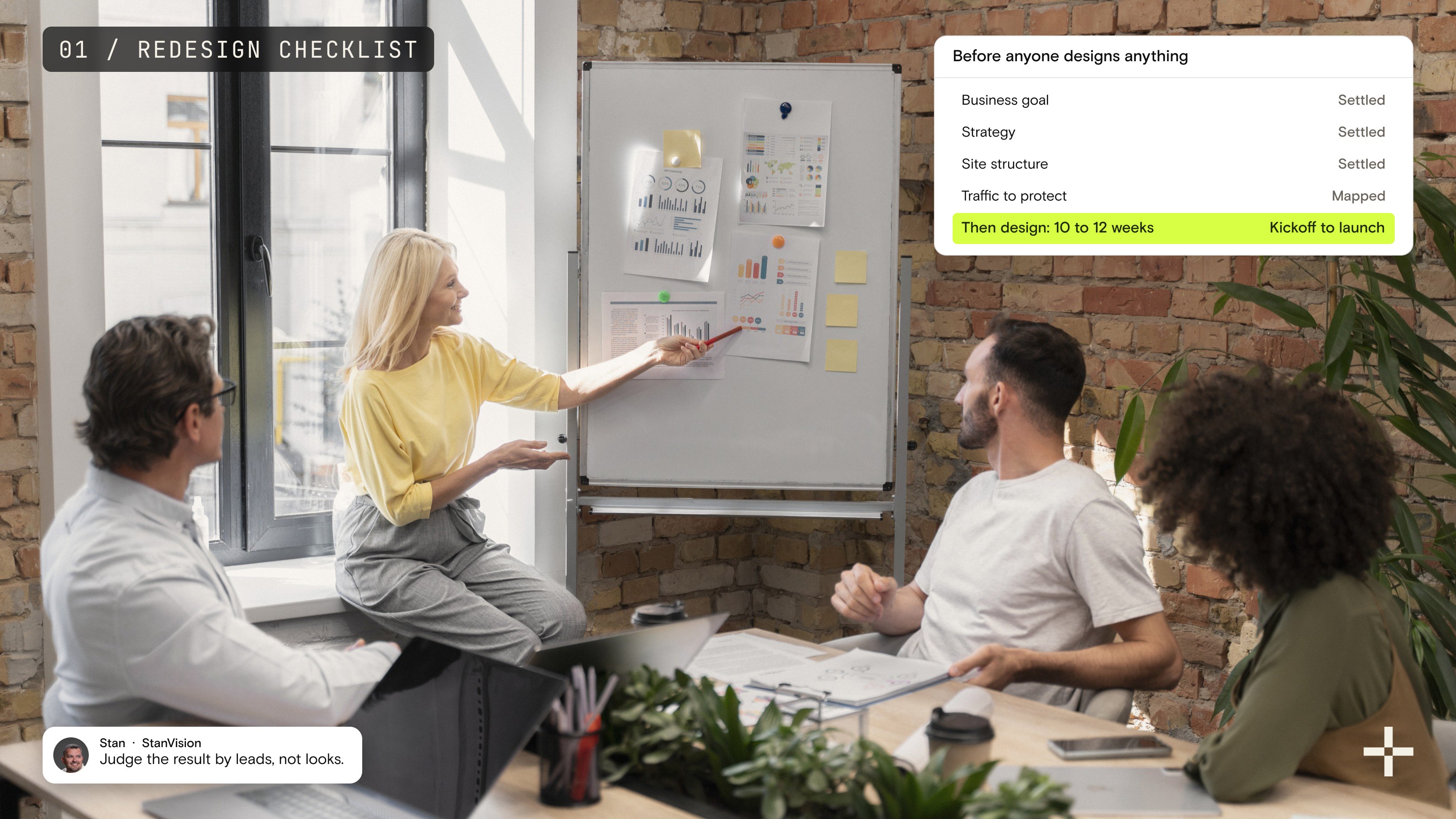
Website redesign checklist: everything to plan before design starts
Most redesigns go wrong before anyone opens a design file. Here's what I plan first, from business goals to the traffic you can't afford to lose.

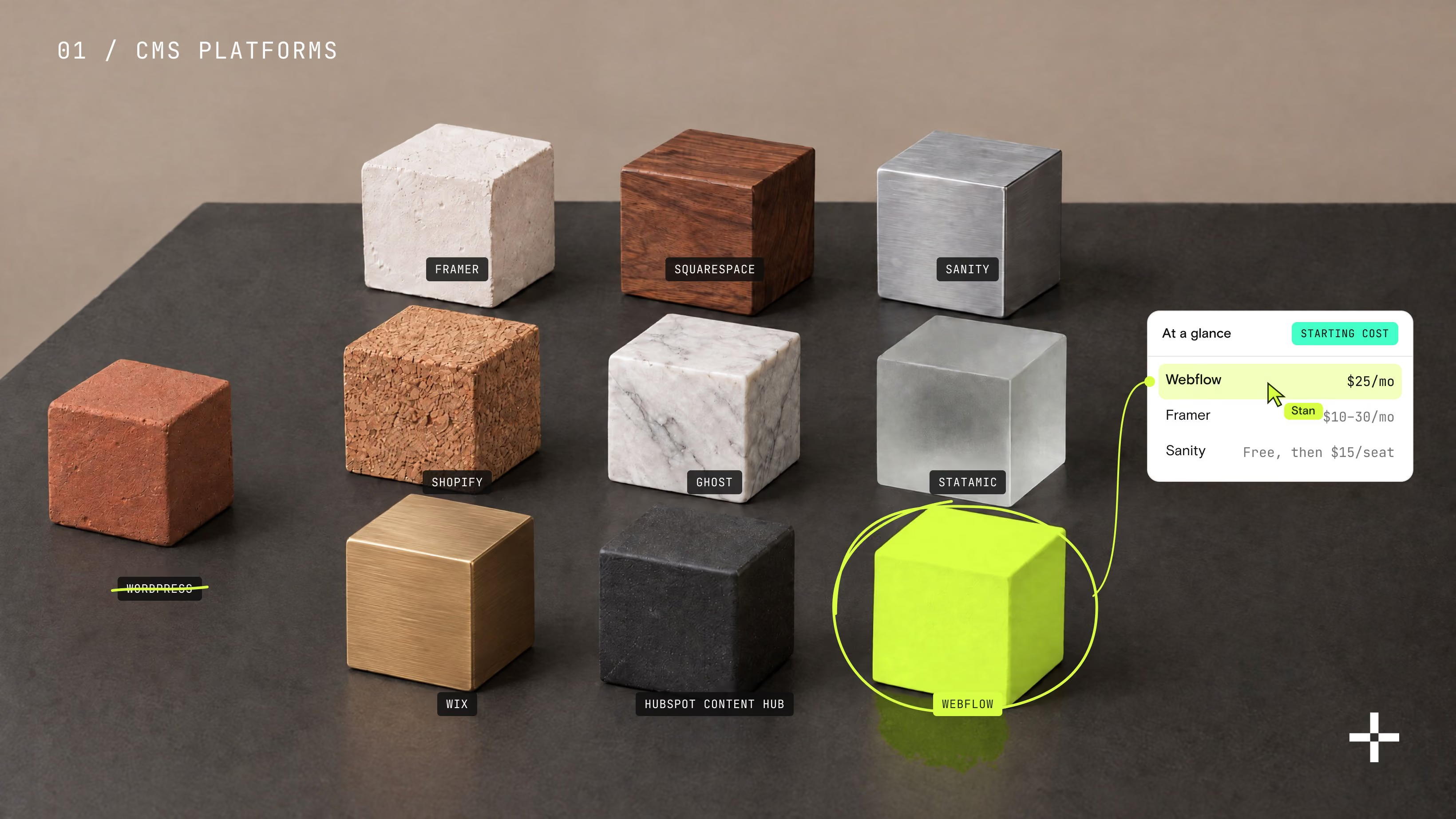
Looking beyond WordPress? 9 CMS platforms worth considering in 2026
WordPress still runs most of the web, yet more teams keep leaving it. Nine alternatives explain exactly why, and who each one fits.

Is Webflow good for SEO and AEO? The honest 2026 answer
Webflow doesn't hurt your SEO. A rushed migration does. Here's the honest breakdown of what the platform gets right, what still needs a human, and how not to lose your rankings moving over.
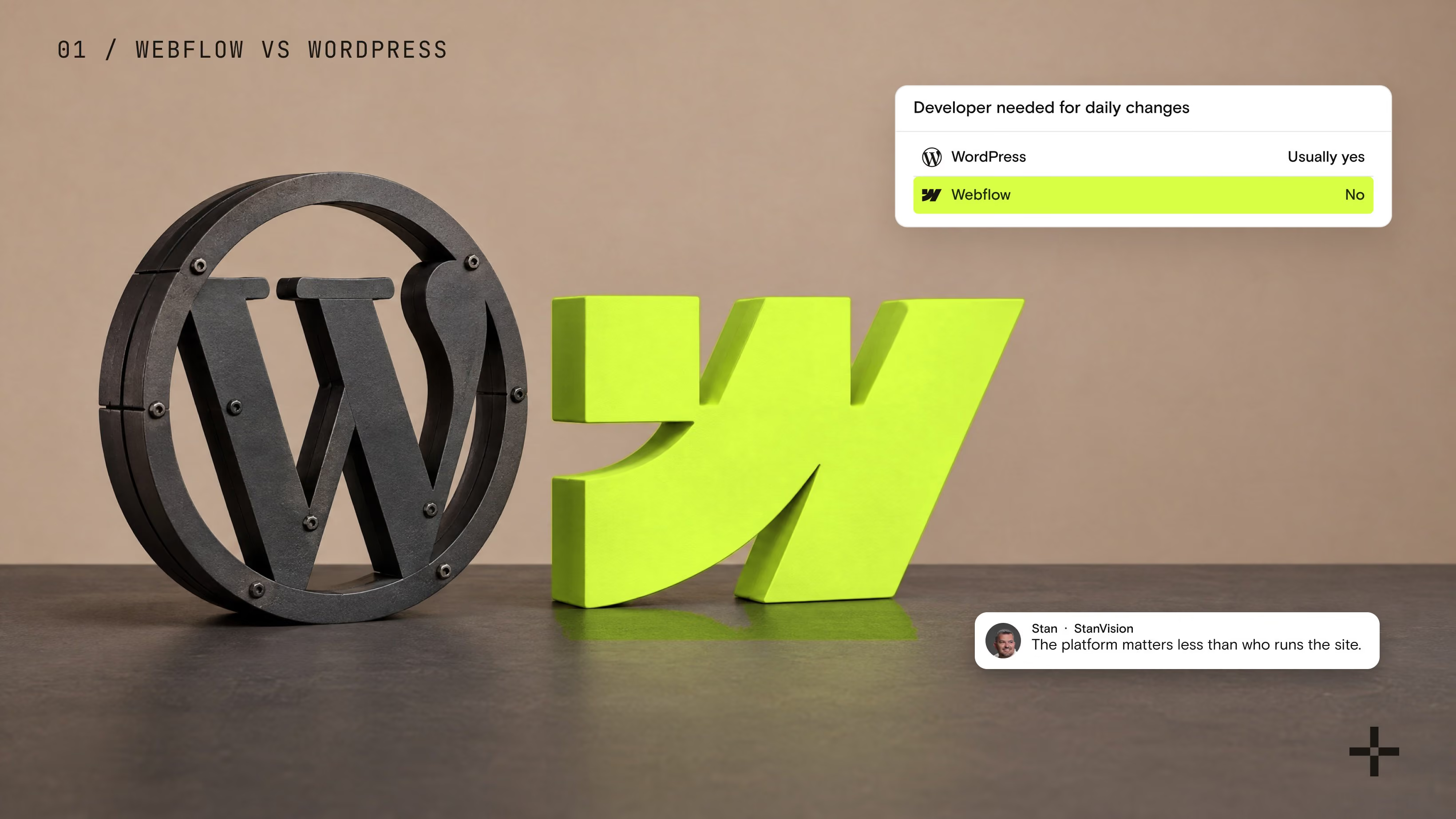
Webflow vs WordPress: which CMS will save your team more time?
I ran this agency on WordPress before I ran it on Webflow. Here is the honest comparison, from someone who has shipped both, on which CMS actually saves your marketing team time.