Traffic isn't the problem. Conversion is. We're the CRO agency that finds the leak
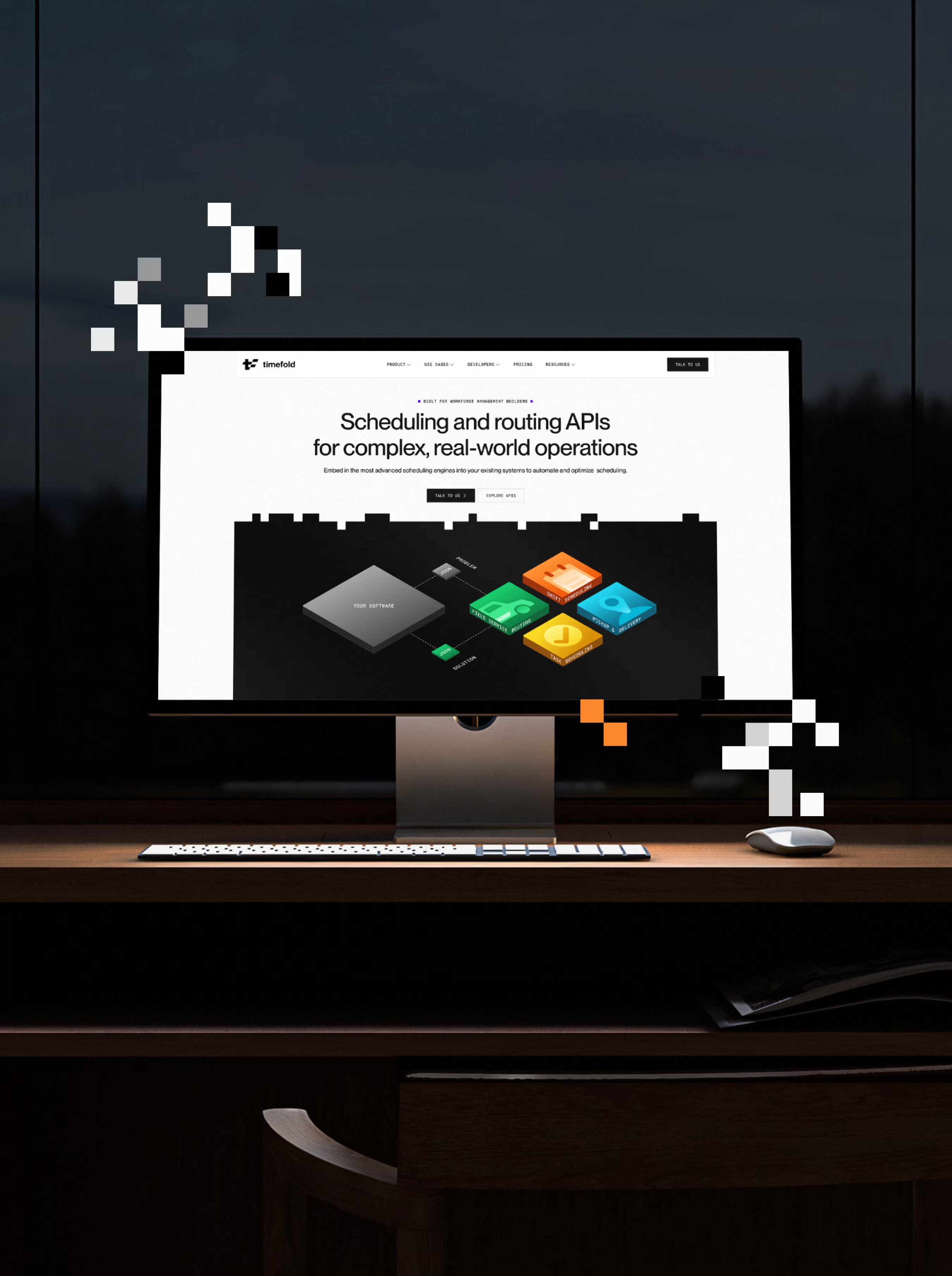
You're paying for visitors who land, look around, and leave without signing up. We're a B2B CRO agency for SaaS teams. Our conversion rate optimization work finds the exact moment users hesitate in your funnel and removes it, so more of the traffic you already have turns into signups and demo requests. After we relaunched Timefold's site, its visit-to-lead rate rose 7x.

B2B and SaaS teams we've done conversion work for










































More traffic won't fix a leaking funnel
Most teams answer flat signups by buying more traffic. That rarely works. If 100 visitors land and 2 convert, doubling the ad spend just buys you a more expensive version of the same 2%. The leak is in the path between landing and signup, and it is almost never where you think it is.
This is rarely a traffic problem. It is a conversion problem, and conversion rate optimization is how you find it.
Visitors bounce off the homepage
Your hero has about five seconds to explain what you do and who it's for. When it doesn't land, the rest of the page never gets read, and the visit is gone before your product is ever understood.
Signups stall at the form
People reach your signup or demo form and stop. Too many fields, an unclear next step, or a price question you left unanswered on the page. The intent was there; the form killed it.
Trials don't activate
Users sign up, poke around, and never reach the moment the product clicks. That drop-off is in onboarding, not acquisition, and no amount of new traffic closes it.
You can't see where they leave
Without proper event tracking, your analytics show a number falling and no reason why. You're optimizing blind, changing things on instinct and hoping the line moves.
Conversion rate optimization services, built on evidence not opinion
Conversion rate optimization (CRO) is the practice of increasing the share of your visitors who take the action you want: signing up, booking a demo, or buying.
A conversion rate optimization agency does this with research and controlled testing, not redesigns based on taste. We instrument your funnel, find where users hesitate, form a hypothesis, test it, and keep what wins. Because the same team does the UI/UX design and the Webflow development, a winning idea ships in days, not after a handoff to another vendor. Here is what that covers.
Conversion audit
We tear down your funnel end to end and map every step where users drop, so the work starts from evidence instead of a hunch.
Analytics and event tracking
We set up the tracking most sites are missing, so you can finally see which step loses people and by how much. On Webflow sites, that starts with a proper Google Analytics setup.
Heatmaps and session replay
We watch how real users move, scroll, and stall on your pages, then turn that behavior into a ranked list of things to fix.
User research and usability testing
We put your pages in front of real users from your market and surface the friction your own team is too close to notice.
Hypothesis and test roadmap
We turn findings into a prioritized list of tests, ranked by likely impact and effort, so the high-leverage changes ship first.
A/B and multivariate testing
We run controlled tests, so a "win" is a real measured lift against a baseline, not a guess that happened to ship on a good week. On Webflow sites we build the variants ourselves, so a test goes live the same week instead of waiting in a dev queue.
Landing page optimization
We rebuild the pages that carry your campaigns around a single action, so the traffic you pay for isn't split across six competing links. Built and run in Webflow by our Webflow design agency team, so marketing can launch the next one alone.
Signup and onboarding optimization
We close the activation gap between signup and first value, the quiet drop-off where many SaaS trials die before the product ever proves itself. That's product work, and our product UI/UX design team does it.
Reporting and iteration
We report lift in plain numbers and keep testing, because conversion work compounds. The second quarter beats the first. Teams that want testing as a standing habit run it inside a design retainer.
| CRO | A redesign | More paid traffic | |
|---|---|---|---|
| What it changes | The steps where visitors drop, one tested change at a time | Everything at once | How many people reach the same funnel |
| How you know it worked | A measured lift against a baseline | Usually you don't. Too much changed to tell | More visits, at the same conversion rate |
| Time to first result | Weeks | Months | Days, for as long as you pay |
| What it costs you later | Nothing. Wins stay live | The next redesign | Every month, again |
| Best when | Traffic is steady and signups aren't | The brand or product has outgrown the site | The funnel already converts and you need volume |
How a conversion rate optimization project runs
No black box. Here is the method start to finish. A first CRO cycle runs about 10 to 12 weeks: audit, research, and the opening round of tests. Conversion work compounds, so most teams continue as an ongoing testing program once the first wins are in.
Results our clients reached
Real business milestones the teams we partnered with hit during the engagement. The work is ours; the wins are theirs.
$200M+
Raised at a $1B valuation. All three rounds closed after our redesign went live.
$175M
Raised while scaling its global payment infrastructure.

$13M
Raised while building its AI planning platform.

$73M
Combined value of the SMSBump and NitroPack exits.
Average partnership
3+ years
Average length of a client partnership. People stay when the work keeps shipping.
7 years
Across strategy, branding, and product, 2018 to 2025.
AI portfolio
15+ companies
AI companies designed for, from first launch to scale.
Enterprise portfolio
10+ clients
Enterprise clients, the kind with procurement departments.
24%
Higher conversion rate after the website relaunch.
Products launched
10+
Software products designed and taken to market with our clients.
Conversion lifts we can show you
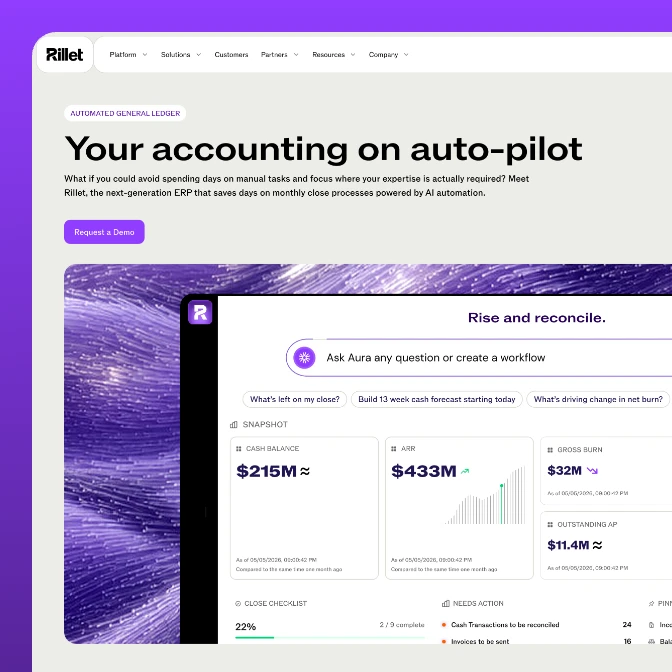
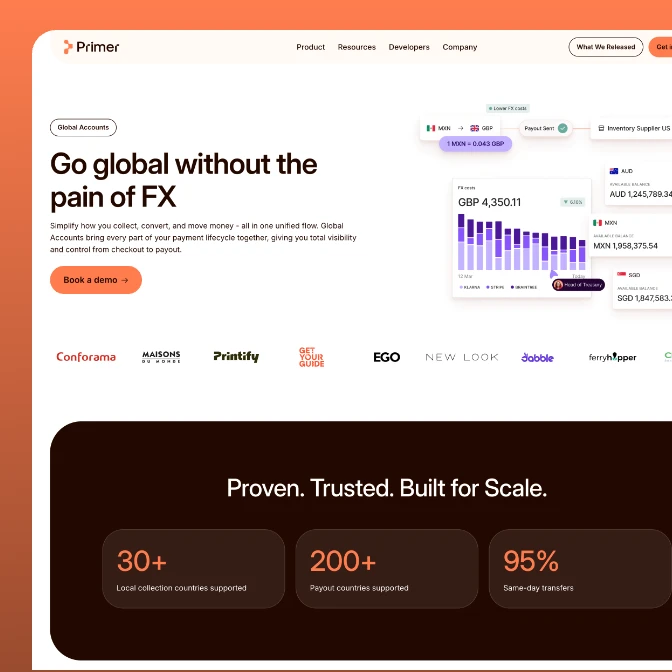
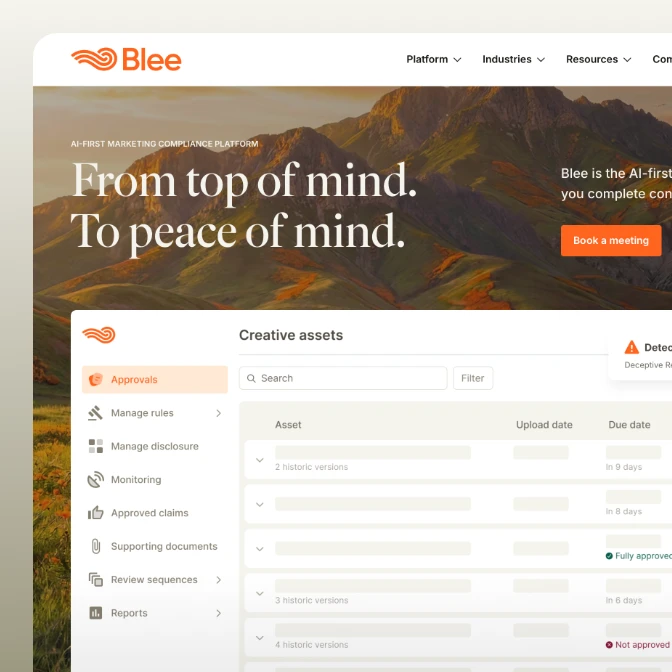
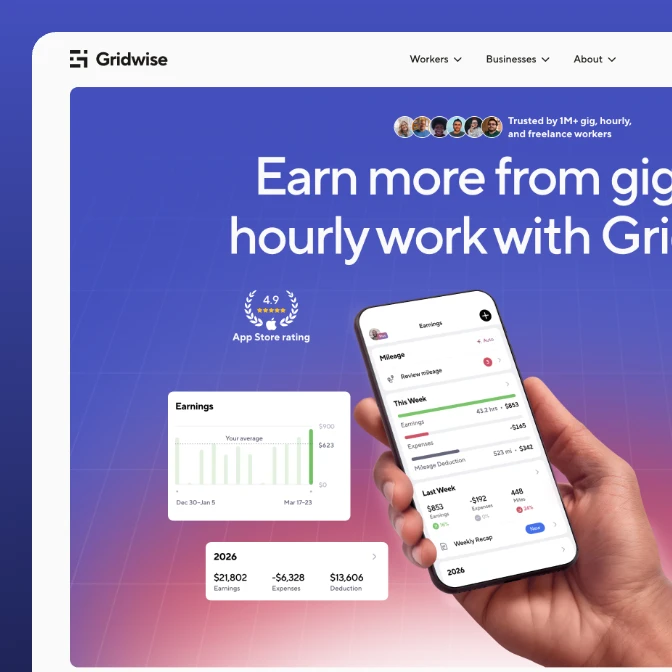
The proof for conversion work is a number that moved. Gridwise relaunched and saw a 24% increase in conversion rate across a base of over a million users. Timefold's visit-to-lead rate rose 7x, Contiant generated 66% more leads in its first three months, and Flowcase converts leads 47% faster than it did on its old site. On the product side, 39% more Tolstoy users now publish in their first session.
Your industry and funnel are different, so on a call we'll walk you through the cases closest to your situation.
4.6x
more inbound form submissions
7x
higher visit-to-lead rate
200+
pages migrated off Craft CMS
66%
increase in lead generation within the first three months post-launch
48%
higher user engagement
50%
faster time-to-market thanks to efficient Webflow development
3.2x
engagement on enterprise pages in the first three months
47%
faster lead conversion than the previous site
2
months from kickoff to launch
Four ways to get this done. The honest version
There are four real ways to fix your conversion rate: us, another agency, a freelancer, or a new in-house hire. Each one wins on something.
A freelancer is cheaper upfront, an in-house hire sits closest to your product, and we're not the right call for every team. So here is the honest version, including the rows where someone else comes out ahead.
| StanVision | Typical CRO agency | Freelancer | In-house hire | |
|---|---|---|---|---|
| Funnel research before testing | Yes, every engagement | Sometimes | Rarely | Depends on the hire |
| Design and build under one roof | Yes | Often outsourced | No | No |
| B2B SaaS funnel specialization | Yes | Generalist or ecommerce-led | Varies | Yes, but single perspective |
| Speed to first test | Weeks | Weeks to months | Fast but shallow | Slow to hire |
| Lower upfront cost | No | No | Yes | No |
| Ongoing testing program | Yes | Yes | Hard to sustain solo | Yes |
Industries
we go deep in
We specialize where design and growth decisions carry the most weight.
Awards
25 awards from Awwwards, CSS Design Awards, and Behance. And since 2023 Stan sits on the Awwwards jury, which is rarer than winning.
1x SOTD + 1x DEV + 13x HM
1x Jury member

Awwwards: 15 awards in total. 1 Site of the Day (SOTD), 1 Developer Award (DEV) and 13 Honorable Mentions (HM). Stan Kirilov is an Awwwards jury member.
2 SOTD + 4 SK
1x ex. Jury member

CSS Design Awards: 6 awards in total. 2 Sites of the Day (SOTD) and 4 Special Kudos (SK). Stan Kirilov is a former CSS Design Awards jury member.
4x Featured in Web design

Behance: StanVision projects featured 4 times in the Behance Web Design gallery.
What B2B teams ask before hiring a CRO agency
Straight answers to the questions that come up before a conversion project starts.
What does a CRO agency do?
A CRO agency improves the share of your website visitors who convert: sign up, book a demo, or buy. It does this with funnel research, analytics, and controlled testing, not redesigns based on taste. The deliverable is a measured lift in conversion rate, not a new look.
What is conversion rate optimization (CRO)?
Conversion rate optimization (CRO) is the practice of increasing the percentage of visitors who take a desired action. If 2 of every 100 visitors sign up today, CRO is the work of finding why the other 98 don't, then removing those reasons one tested change at a time.
What are the steps of conversion rate optimization?
Five, in order. Audit and instrument the funnel so you have a real baseline. Find where people hesitate, with heatmaps, session replay, and user testing. Write each fix as a hypothesis tied to a number you expect to move, and rank them by impact and effort. Test the top ones against a control. Ship the winners, measure the lift, and start the next round.
What is a good website conversion rate?
The one that beats your own baseline. Published averages mix ecommerce purchases with B2B demo requests and newsletter signups, so they rarely tell a SaaS team much. Measure each step separately (visit to signup, signup to activation, trial to paid) and by traffic source, because paid, organic, and AI-referred visitors convert very differently. The useful question is which step is weakest, not how you compare to an average.
How do you improve SaaS conversion rates?
Fix the step losing the most people first, which is rarely the one the team argues about. For most SaaS funnels that means a homepage hero that says what the product does and who it's for, a signup or demo form with fewer fields and an obvious next step, pricing questions answered on the page, and an onboarding flow that gets new users to their first result fast. Then test each change, so you know which one moved the number.
How do you improve free trial to paid conversion?
Get trial users to the moment the product proves itself, early. Map the first-session path, cut every step that isn't needed to reach that moment, and show progress so users know what's left. Then follow up inside the product and by email around what each user has and hasn't done. Most trials are lost in the first session, long before the paywall.
How do agencies help B2B companies with CRO?
B2B funnels are longer and lower-volume than ecommerce, so the work shifts from high-traffic A/B tests toward demo-request flows, signup friction, and message-to-market fit on key pages. We focus on the steps where a single qualified buyer dropping off costs you a deal, not just a click.
What are the most common conversion rate optimization mistakes?
Buying more traffic instead of fixing the funnel. Redesigning on opinion with no baseline to compare against. Calling a test a winner before it reaches significance. And ignoring onboarding, where many SaaS signups quietly die before they ever activate.
How do you measure conversion rate optimization?
Conversion rate is conversions divided by visitors, measured at each step of the funnel. We set a baseline before any change, run each test against a control group, and report the lift as a real percentage change with the sample size behind it.
How long does a CRO project take?
A first conversion cycle runs about 10 to 12 weeks: audit, research, and the opening round of tests. Because the gains compound, most teams continue as an ongoing testing program after that.

10 common UX mistakes that frustrate users (and how to fix them)
Most UX advice is theory. This is the list of what actually breaks in real products: where users hesitate, stall, and quietly leave.

Best SaaS website design examples in 2026 (and what actually makes them convert)
Most SaaS websites are beautiful and convert terribly. I review 24 that don't, and show the framework we use to fix the ones that do.
7 Essential elements of effective fintech web design you can’t ignore
Fintech buyers decide whether to trust you before they ever sign up. The 7 website elements that make trust visible, shown through real client work.

Best practices for UX journey mapping
Creating seamless user experiences is more important than ever. UX journey mapping plays a crucial role in understanding how users interact with a product or service, helping businesses identify pain points and opportunities for improvement in the customer experience. A UX journey map is more than just a diagram. It’s a strategic tool that provides insights into user behavior, emotions, and touchpoints throughout their journey. Customer journey maps provide a single source of truth for teams, improving internal alignment. Customer journey mapping tools can help visualize and understand the various stages of the customer journey, offering both simple and advanced options to cater to different user needs and preferences.