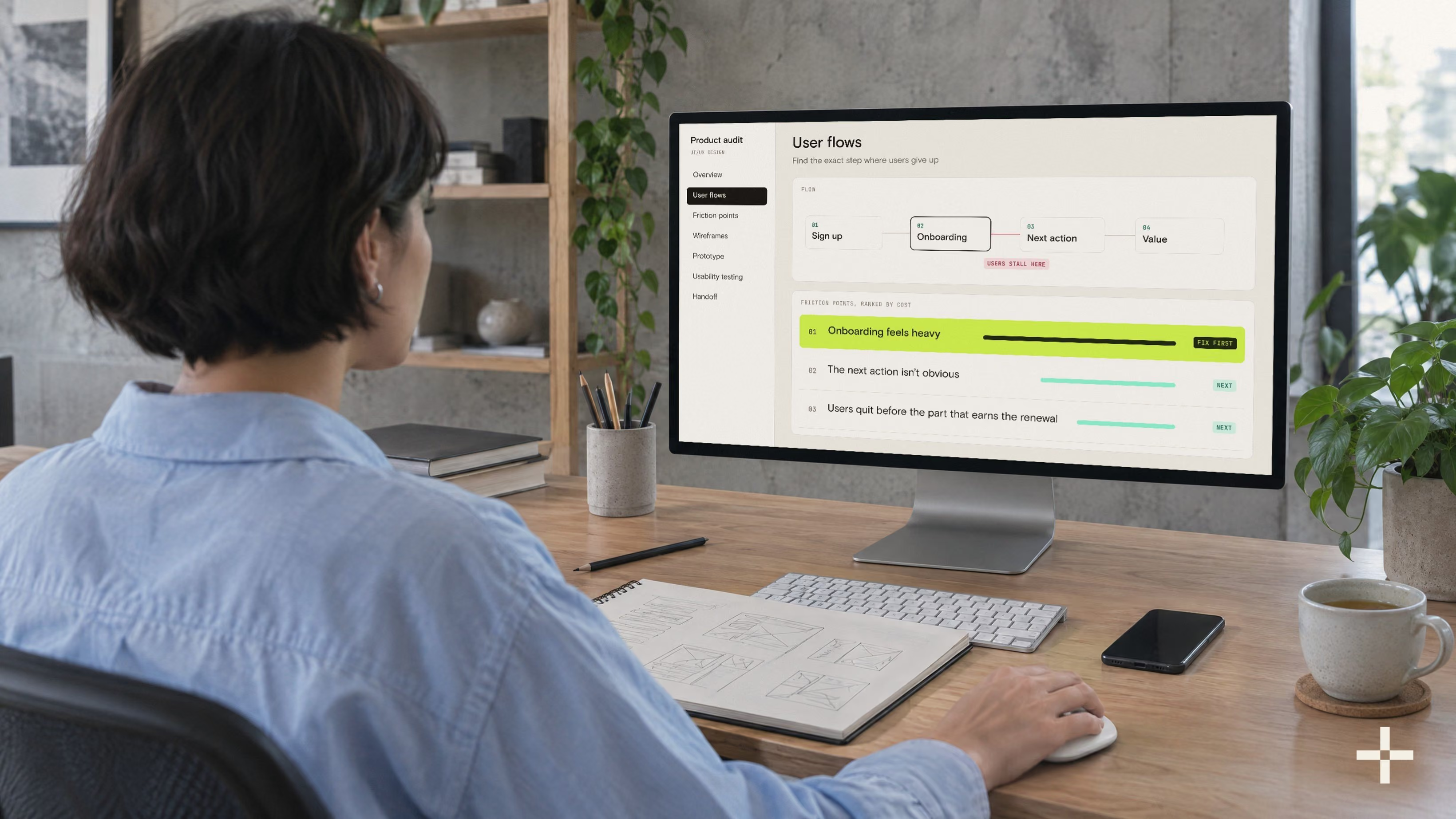
Users sign up, look around, and leave. We're the UI/UX design agency that finds out why.
We find the exact moment users get stuck, redesign the flow and the screens around it, and show the result in numbers, not adjectives. For B2B SaaS, fintech, and AI products, from the first audit to shipped code, and the website too if it needs to tell the same story.
Product teams that trust us with their UX















It's rarely a feature problem. It's a UX one
Teams try to fix retention by adding features. They rebuild onboarding. They run more demos. The drop-off stays exactly where it was, because the problem was never the feature set. It was the path through it.
The work is finding the points where users stall, and removing them one by one.
Sign-ups that never activate
Users create an account and never reach the moment the product pays off. That gap between sign-up and first value is where most retention quietly leaks away.
An interface only your team understands
Your team knows where everything is. A new user doesn't. Internal logic creeps into the UI, and every first-time user pays for it.
A demo that lands, a product that doesn't
Sales wins the deal. Then the product makes the buyer work to reach the value they were sold, and expansion stalls before it starts.
A redesign that changed the look, not the numbers
The last refresh made it prettier. Activation didn't move, because nobody found where users actually hesitate first.
What our UI/UX design services cover
UX is the structure: the flows, the order of steps, the logic of getting from A to B. UI is the surface: the screens, components, and states that carry it. Split them across two teams and they drift, and you end up with a product that looks finished and still loses people.
Our UI/UX design agency runs both as one job, for B2B SaaS, fintech, and AI products. These are the UX design services we do most, and we can code the result too.
UX audit and research
We find where users stall before we touch a pixel. Heuristic review, session data, and user interviews turn "something feels off" into a named, ranked list of friction points.
User flows and information architecture
We map the path from sign-up to value and cut the steps that lose people. Fewer dead ends, and a structure that holds as you add features.
Product and website, one team
The product and the site share one user. We design both, so the website promises what the product actually delivers. More on our B2B web design.
Onboarding and first-value design
The first session decides retention. We design the path to the moment the product earns the next login.
Complex B2B workflows
Dashboards, permissions, approvals, multi-step processes. We make dense software usable without making it simplistic.
Wireframes and prototypes
We test the structure in low fidelity first, so you approve the flow before anyone argues about button colors.
Interface (UI) design
Screens, states, and components built to carry the flow. Every empty state, error, and edge case, not just the path you show in a demo.
Design system, handoff, or build
A documented component system your engineers can ship from, or we write the front-end ourselves. Either way, the next feature looks like it belongs. When the system itself needs building out, that's our design system work.
Usability testing
We put the design in front of real users before launch, so the big bets are tested, not assumed.
UI design vs UX design vs product design: what's the difference?
Short version: UX is the plan, UI is the surface, and product design ties both to a business goal. They overlap, and most real work touches all three. Here's where each one sits.
| UX design | UI design | Product design | |
|---|---|---|---|
| Focus | Structure and flow | Visual surface and interaction | Flow, surface, and business outcome |
| Question it answers | Can users get where they're going? | Does each screen make that obvious and feel right? | Does this make users successful and the business money? |
| Deliverables | Research, flows, wireframes, information architecture | Screens, components, states, design system | All of the above, plus metrics and trade-off calls |
| When it matters most | Early, when the path is being set | Once the structure is right | Continuously, across the product's life |
| On a B2B team | Why users drop off | Why screens feel inconsistent or hard | Why a feature shipped, and whether it moved a number |
How a UI/UX project runs with us
There's no standard timeline, because products aren't standard. A focused flow fix can ship in about two months; a full product redesign has run 10 to 12 months. What doesn't change is the order: you see where users stall before any finished screen gets designed.
Results our clients reached
Real business milestones the teams we partnered with hit during the engagement. The work is ours; the wins are theirs.

$200M+
Raised at a $1B valuation. All three rounds closed after our redesign went live.

$175M
Raised while scaling its global payment infrastructure.

$13M
Raised while building its AI planning platform.

$73M
Combined value of the SMSBump and NitroPack exits.
Average partnership
3+ years
Average length of a client partnership. People stay when the work keeps shipping.
7 years
Across strategy, branding, and product, 2018 to 2025.
AI portfolio
15+ companies
AI companies designed for, from first launch to scale.
Enterprise portfolio
10+ clients
Enterprise clients, the kind with procurement departments.

24%
Higher conversion rate after the website relaunch.
Products launched
10+
Software products designed and taken to market with our clients.
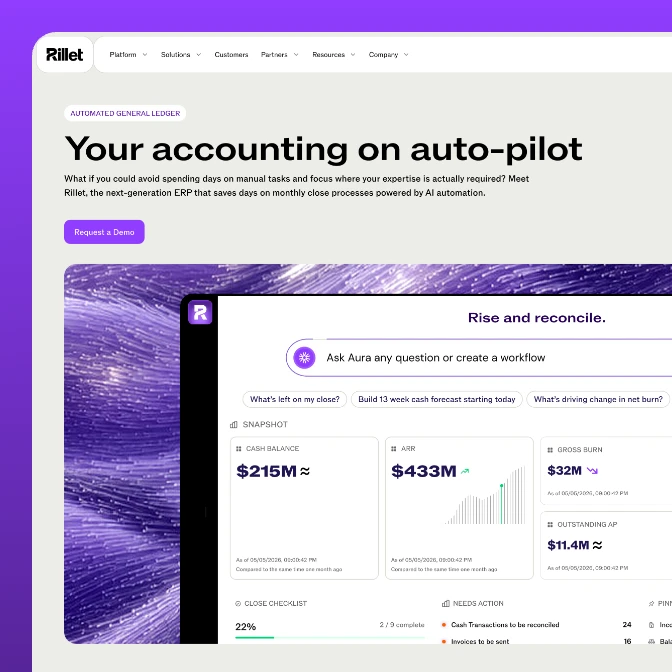
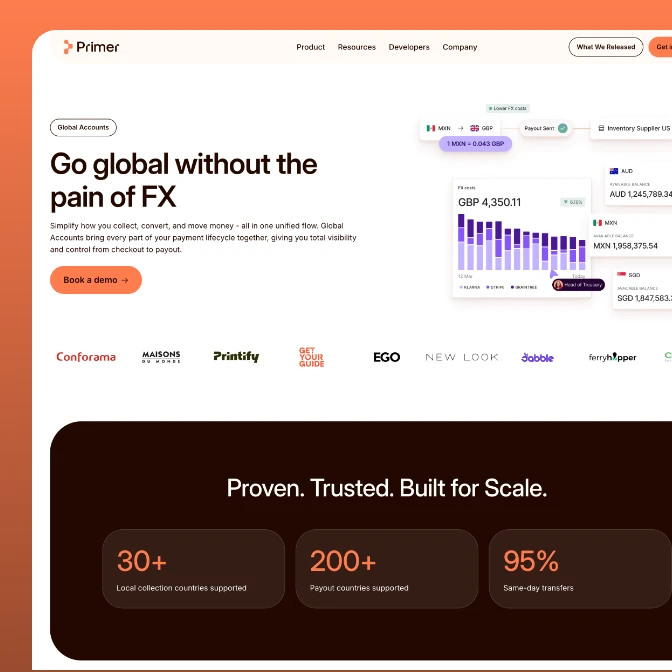
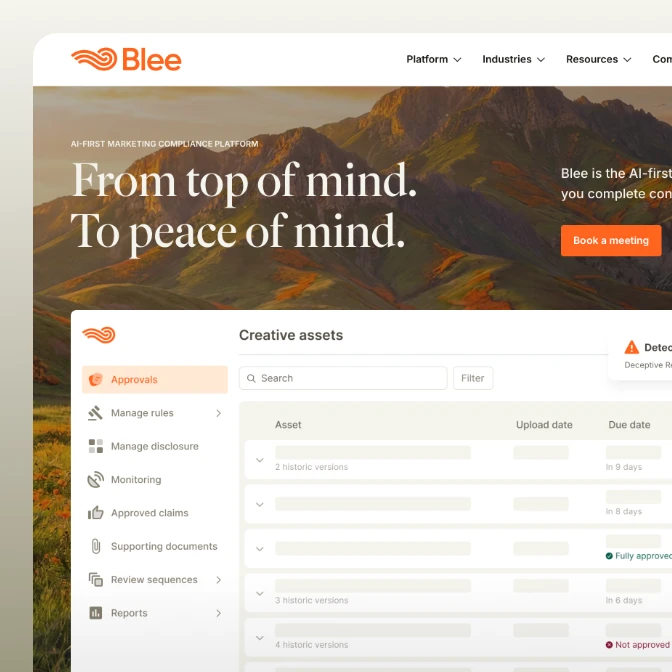
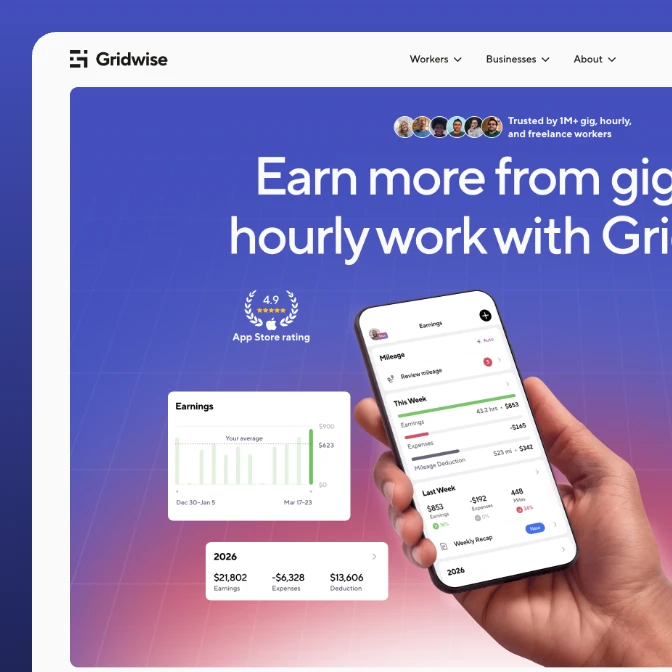
Product redesigns, with the numbers after launch
We've redesigned the product experience for teams in fintech, AI, and enterprise software, including Aligned, AhaPlay, and PaymentBites. Different products, same pattern underneath: find where users hesitate, fix the flow, and the numbers that matter start to move. Four of them, up close:
1st
facial-recognition payment in Bulgaria, live with DSK Bank
59%
better first-time understanding in user testing
42%
more merchant inquiries after launch
39%
more users publish in their first session
54%
growth in daily active users after the redesign
44%
higher CTR after the messaging rework
3x
improvement in goal completion rates during testing
62%
task success rate in usability tests for first-time users
40%
increase in onboarding speed compared to baseline flows
Why a UI/UX design agency, not a freelancer or your first design hire
Each option fits a different moment. A freelancer is fine for a few screens. A first in-house hire makes sense once design is a full-time, ongoing need. An agency earns its place when you need research, UX, UI, and often the build working together, with proof at the end.
| StanVision | Generalist agency | Freelancer | First in-house hire | |
|---|---|---|---|---|
| B2B experience | SaaS, fintech, and AI products, 15+ AI companies | Your industry is one of many | Depends on the person | Learns your market on the job |
| Research and strategy | Audit and research come first | Often starts from your brief | Rarely included | Possible, stretched across everything |
| Product and website | Both, by one team | Usually one or the other | Usually one or the other | Usually product only |
| Build | Component handoff or front-end code | Often handed to another vendor | Sometimes | Needs engineers too |
| Speed to start | Senior team, no hiring | Depends on their bench | Fast, if they're free | Months to hire and onboard |
| Cost | Scoped per project after one call | Usually the highest | Lowest upfront | Salary, benefits, and tools |
| Best for | B2B products that need UX, UI, and proof together | Large programs across many channels | A few screens on a tight budget | Companies with steady, full-time design work |
Industries
we go deep in
We specialize where design and growth decisions carry the most weight.
Awards
25 awards from Awwwards, CSS Design Awards, and Behance. And since 2023 Stan sits on the Awwwards jury, which is rarer than winning.
1x SOTD + 1x DEV + 13x HM
1x Jury member

Awwwards: 15 awards in total. 1 Site of the Day (SOTD), 1 Developer Award (DEV) and 13 Honorable Mentions (HM). Stan Kirilov is an Awwwards jury member.
2 SOTD + 4 SK
1x ex. Jury member

CSS Design Awards: 6 awards in total. 2 Sites of the Day (SOTD) and 4 Special Kudos (SK). Stan Kirilov is a former CSS Design Awards jury member.
4x Featured in Web design

Behance: StanVision projects featured 4 times in the Behance Web Design gallery.
Frequently asked questions
UI/UX design questions, answered.
What does a UI/UX design agency do?
A UI/UX design agency researches how people use your product, redesigns the flows where they get stuck, and designs the screens that carry those flows. A full engagement usually covers a UX audit, user flows, wireframes, interface design, usability testing, and a handoff or build. The point isn't nicer screens. It's more users reaching the moment your product pays off.
What's the difference between UI and UX design?
UX is the plan, UI is the surface. UX design decides what happens and in what order, so users can get where they're going. UI design makes each screen carry that flow and feel right to use. A weak flow behind a beautiful interface still loses users; a strong flow behind a rough interface frustrates them. You need both, which is why we run them as one job.
Who provides UI/UX design for B2B companies?
Specialist UI/UX design agencies, and the specialism matters. B2B software is denser than consumer apps: multi-step workflows, permissions, dashboards, buyers who aren't the users. We design B2B SaaS, fintech, and AI products, including 15+ AI companies, so we design for that complexity instead of hiding it.
How much do agencies charge for UI/UX design?
It depends on scope. A focused flow redesign and a full product overhaul are different projects, and the number of screens, the research depth, and whether we also write the front-end all move the price. We don't publish rates, because the honest number depends on what your product needs. Tell us the problem and we'll give you a real number after one call.
How long does a UI/UX design project take?
There's no fixed timeline. A focused flow fix can take about two months; a full product redesign with research, testing, and build has run 10 to 12 months. Screen count, research depth, and whether we build it move the timeline most. You see where users stall early, and you approve the flow before any finished screens are designed.
Do UI/UX services include the build, or only the design?
Both, your choice. We can hand your engineers a documented component system with states and edge cases included, or write the front-end ourselves. For web-facing work, we build in Webflow as a Premium Partner, so nothing gets reinterpreted between the approved design and the live page.
Can you do UI/UX design for a product that hasn't launched yet?
Yes. Without live sessions to learn from, we use structured research instead: competitive teardowns, heuristic review of comparable products, and prototype testing with people who match your target user. That validates the flow before the build locks it in, which is the cheapest point to be wrong.
What's included in a UX audit?
A UX audit is a review of your product against how real users behave. We combine heuristic review, session data, and user interviews to find where people stall, then rank the friction points by how much they cost you. You get a prioritized list of fixes, not a 90-page report nobody reads.
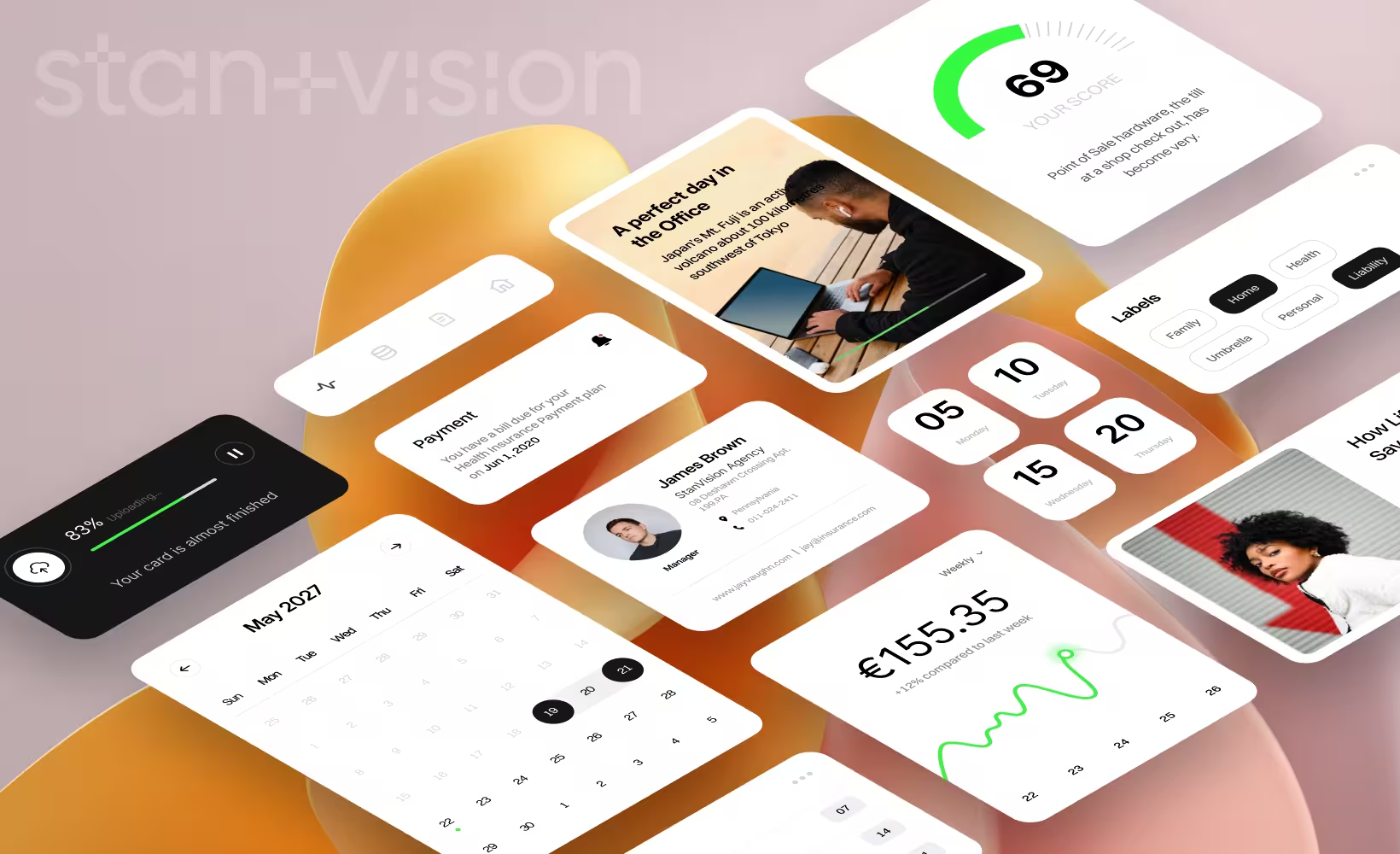
UI card design: examples, best practices and common patterns
Most teams use cards everywhere. The best teams know when not to.

UX/UI trends shaping digital products in 2026
The tools changed first. Then the workflows. Now the actual definition of a designed interface is shifting under our feet.

The UX design process explained: from research to testing
The UX design process isn’t a creative ritual. It’s a structured way to design digital products without wasting time and money.

UI vs UX: key differences, examples, and why both matter
Everyone uses UI and UX interchangeably. They're different jobs, they fail differently, and knowing which one is broken saves you a redesign.